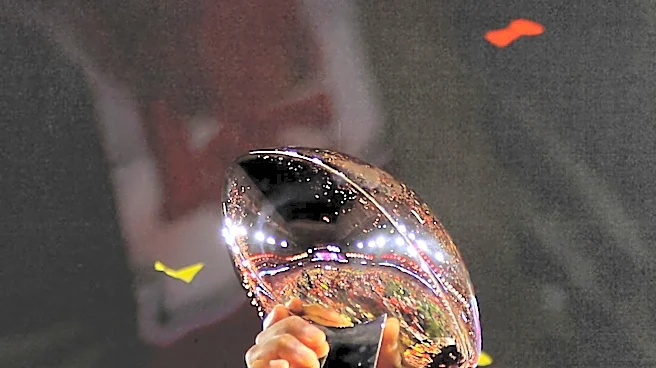



The 1999 NFL season culminated in a memorable Super Bowl XXXIV victory for the St. Louis Rams, marking their first Super Bowl win and the franchise's first overall championship since 1951. This triumph was particularly remarkable given the team's preseason expectations and the unexpected rise of its starting quarterback. The Rams, then based in St. Louis, faced off against the Tennessee Titans in a game that would become renowned for its dramatic
conclusion and the stellar performance of their offense, famously dubbed "The Greatest Show on Turf."
Overcoming Preseason Adversity and the Rise of Kurt Warner
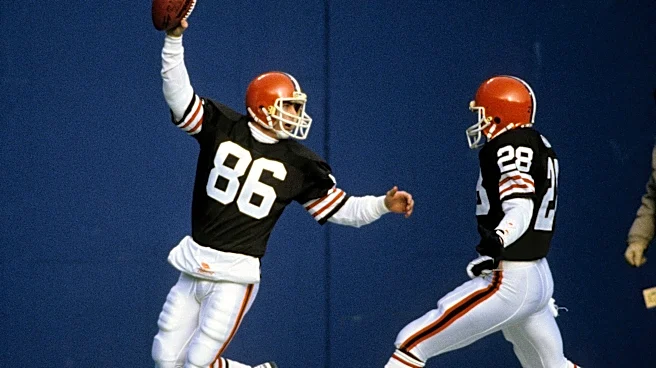
Little was anticipated from the Rams heading into the 1999 season. In fact, one prominent sports publication predicted the Rams would be the worst team in the NFL that year, even ranking them below the Cleveland Browns, who were returning as an expansion team. This low expectation was compounded by a significant setback during the preseason when Trent Green, who had just been signed as the team's starting quarterback, suffered a season-ending knee injury. This unfortunate event thrust Kurt Warner, an undrafted quarterback, into the starting role. Warner had previously played for the Iowa Barnstormers in the Arena Football League and the Amsterdam Admirals of NFL Europe, making his ascent to NFL starter an unlikely and compelling narrative.
Despite the initial doubts and the loss of their intended starter, the Rams proceeded to astonish the NFL. They achieved an NFC-best 13–3 regular season record, demonstrating an offensive prowess that defied all predictions. The team's scoring differential was particularly impressive, outscoring opponents 526–242, which amounted to a 284-point margin—the highest of any Super Bowl champion. This dominant performance throughout the regular season set the stage for their deep playoff run and eventual Super Bowl appearance.
"The Greatest Show on Turf" and Key Offensive Players
Central to the Rams' success was their high-powered offense, affectionately known as "The Greatest Show on Turf." This unit was a formidable force, leading the league in total yards gained with 6,639, scoring with 526 points, and passing touchdowns with 42. Quarterback Kurt Warner, in his first season as a full-time starter, was at the helm of this explosive offense. He was not only named Super Bowl MVP but also the NFL MVP in the same season, a rare feat that would not be repeated for 23 years. Warner also set Super Bowl records for passing yards with 414 and pass attempts without an interception with 45.
The offense featured a dynamic array of talent. Running back Marshall Faulk, acquired by the Rams before the 1999 season, was a crucial component, providing versatility in both rushing and receiving. Wide receivers Isaac Bruce and Torry Holt were instrumental in the passing game. Bruce's 73-yard touchdown reception late in Super Bowl XXXIV proved to be the game-winning score. Torry Holt, a rookie wide receiver, contributed significantly with 52 receptions, 788 yards, and 6 touchdowns. Even the team's third wide receiver, Az-Zahir Hakim, was a major contributor, catching 36 passes for 677 yards and 8 touchdowns, in addition to returning punts for 461 yards and another touchdown. The offensive line, anchored by Pro Bowlers Orlando Pace and Adam Timmerman, provided the necessary protection for this high-octane attack.
The Dramatic Climax of Super Bowl XXXIV
Super Bowl XXXIV, held at the Georgia Dome in Atlanta on January 30, 2000, is particularly remembered for its thrilling conclusion. The Rams initially built a substantial lead, scoring three field goals by halftime and adding a third-quarter touchdown to take a 16–0 advantage. However, the Tennessee Titans mounted a remarkable comeback, scoring 16 consecutive points to tie the game near the end of regulation. This marked the first time in Super Bowl history that a team had erased a deficit of more than 10 points.
With less than two minutes remaining, the Rams regained the lead with Isaac Bruce's pivotal 73-yard touchdown reception. The game's most iconic moment occurred on the final play. With six seconds left, the Titans reached the Rams' 10-yard line. Titans' wide receiver Kevin Dyson caught a pass and attempted to reach the end zone, but Rams' linebacker Mike Jones made a game-saving tackle at the one-yard line, preventing a potential tying touchdown. This play, famously known as "One Yard Short" or "The Tackle," secured the 23–16 victory for the St. Louis Rams, cementing their place in NFL history.