



The Autódromo Hermanos Rodríguez in Mexico City is a renowned motorsport race track that has played a pivotal role in the history of racing in Mexico. Named after the famous racing drivers Ricardo and Pedro Rodríguez, the circuit is a symbol of Mexico's rich motorsport heritage. This article delves into the significance of the Autódromo Hermanos Rodríguez, exploring its features, history, and impact on the racing world.
Historical Significance and Development
Built in 1959, the Autódromo
Hermanos Rodríguez hosted its first Formula One Grand Prix in 1962. Initially, the event was a non-championship race, but it quickly gained prominence, becoming a full World Championship event in 1963. The circuit remained part of the Formula One calendar until 1970, when safety concerns led to its removal.
In the 1980s, the track underwent significant renovations to improve safety and infrastructure. These changes included a new pit complex and modifications to the circuit layout. The improvements allowed the Mexican Grand Prix to return in 1986, marking a new era for the Autódromo Hermanos Rodríguez. Despite challenges with the track's rough surface, the circuit continued to host major racing events.
Unique Features and Layout
The Autódromo Hermanos Rodríguez is known for its unique features, including its elevation of 2,238 meters above sea level. This altitude presents challenges for drivers and cars, affecting aerodynamic drag and engine performance. The circuit's layout includes the iconic Peraltada curve, a fast and slightly banked corner that tests the skills of drivers.
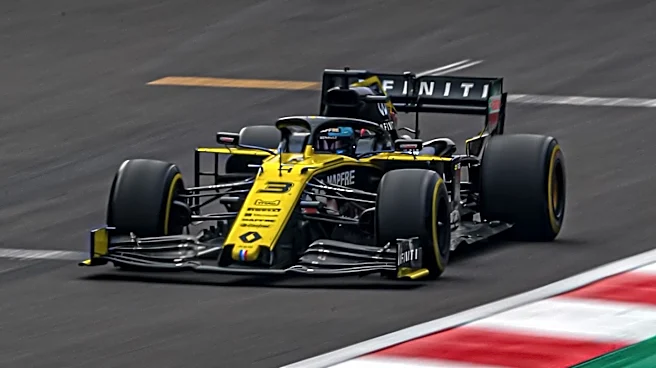
Over the years, the track has undergone various modifications to enhance safety and accommodate different racing series. The most recent renovation in 2015, led by Hermann Tilke, included changes to the front straight and the iconic esses between turns 7 and 13. These modifications have allowed the circuit to host modern Formula One races, with cars reaching speeds in excess of 370 km/h.
Impact on Motorsport
The Autódromo Hermanos Rodríguez has had a significant impact on motorsport, both in Mexico and internationally. It has hosted a variety of racing events, including Formula One, NASCAR, and Formula E, showcasing its versatility and importance in the racing world. The circuit is also home to the Electric Daisy Carnival, a music festival that attracts thousands of attendees.
As a symbol of Mexico's motorsport legacy, the Autódromo Hermanos Rodríguez continues to be a key venue for racing events. Its rich history and unique features make it an iconic track that holds a special place in the hearts of racing enthusiasts worldwide.