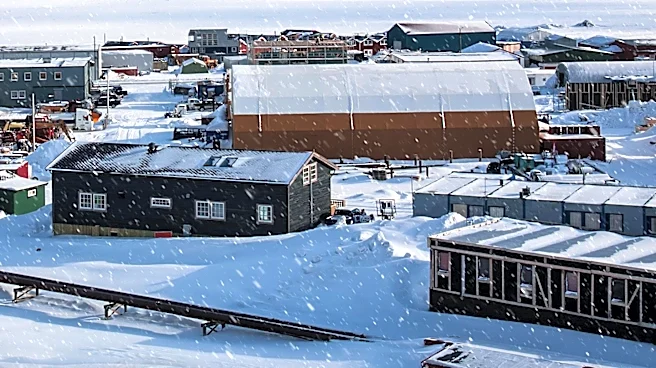









Kotzebue, Alaska, stands out not only as a significant cultural and economic center in the Arctic but also as a pioneering community in the realm of sustainable energy and environmental awareness. Its strategic location north of the Arctic Circle places it at the forefront of climate change impacts, prompting innovative solutions and drawing national attention. From its early adoption of wind power to its role in presidential discussions on global
warming, Kotzebue exemplifies resilience and a commitment to a sustainable future in a challenging environment.
Pioneering Wind Energy in the Arctic
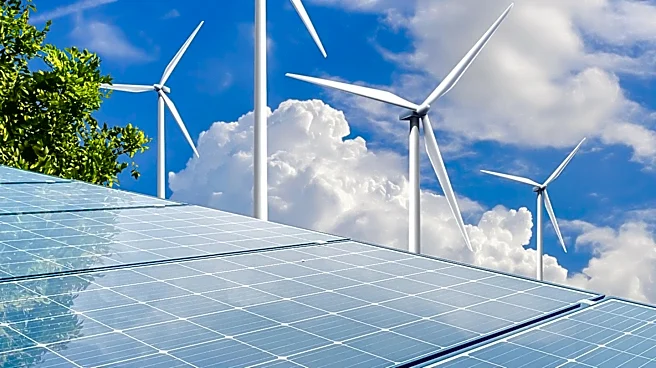
Kotzebue has a notable history as a leader in renewable energy, particularly wind power. In 1997, the city installed three 66-kW wind turbines, establishing the northernmost wind farm in the United States at that time. This initial step marked a significant commitment to reducing reliance on fossil fuels and harnessing the abundant wind resources of the Arctic. The success of this early project paved the way for further expansion and technological advancement in the years that followed.
Today, Kotzebue's wind farm has grown substantially, now comprising 19 turbines, including two powerful 900 kW EWT turbines. The total installed capacity of the wind farm has reached an impressive 3 MW. This robust wind energy infrastructure plays a crucial role in the city's energy independence, displacing approximately 250,000 gallons of diesel fuel every year. This commitment to wind power not only reduces the community's carbon footprint but also provides a more stable and environmentally friendly energy source, demonstrating a practical approach to sustainability in a remote Arctic setting.
A Presidential Platform for Climate Change
Kotzebue's significance on the global stage was underscored on September 2, 2015, when U.S. President Barack Obama visited the city to deliver a speech on global warming. This historic event marked the first time a sitting U.S. president had traveled to a location north of the Arctic Circle during their term. President Obama's choice of Kotzebue as a venue highlighted the severe impacts of climate change on Arctic communities and the urgent need for action.
The speech brought international attention to the challenges faced by residents of the Arctic, including issues such as coastal erosion, thawing permafrost, and changes in traditional hunting and fishing patterns. By hosting such a high-profile event, Kotzebue became a symbol of Arctic resilience and a voice for communities directly experiencing the effects of a changing climate. This moment solidified Kotzebue's role not just as a local hub, but as a critical point of reference in the broader conversation about environmental stewardship and global climate policy.
Strategic Importance and Community Recognition
Beyond its environmental leadership, Kotzebue also holds strategic importance for regional safety and community development. Since 2016, the United States Coast Guard has deployed MH-60 Jayhawk helicopters to Kotzebue annually, operating from the beginning of July to the end of October as part of Operation Arctic Shield. This deployment underscores the city's vital role in supporting search and rescue operations and maintaining maritime safety in the challenging Arctic waters.
In recognition of its overall community efforts and innovative approaches to local challenges, Kotzebue received an All-America City award from the National Civic League in 2017. This prestigious award celebrates communities that demonstrate exceptional civic engagement and problem-solving. The combination of its pioneering work in renewable energy, its role in national climate discussions, and its strategic importance for Arctic operations firmly establishes Kotzebue as a beacon of sustainability and resilience in the far north.