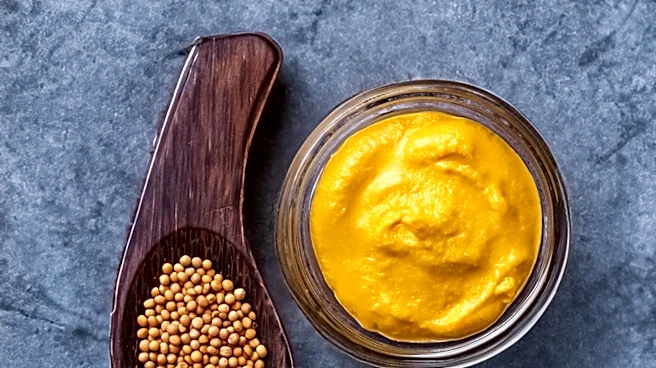







Mustard, a condiment derived from the seeds of various mustard plants, holds a significant place in culinary traditions worldwide. Its history stretches back millennia, with evidence suggesting its use in ancient civilizations. Today, it is a versatile ingredient, gracing tables as a paste or sauce and serving as a key component in numerous dishes across diverse cultures. From its humble beginnings as a mixture of grape must and ground seeds to its current
status as a global staple, mustard's journey is a testament to its enduring appeal and adaptability.
Historical Origins and Early Cultivation
The origins of mustard cultivation are deeply rooted in antiquity. The Encyclopædia Britannica indicates that mustard was grown by the Indus Civilization between 2500 and 1700 BC. Further documentation, according to the Saskatchewan Mustard Development Commission, suggests its use in Sumerian and Sanskrit texts dating back to 3000 BC. This long history points to mustard being one of the earliest known cultivated plants for culinary purposes.
Ancient Egyptians utilized mustard not only as a spice from its seeds but also as salad greens and forage for domesticated animals. There is even a possibility that mustard oil played a role in some embalming practices, as Brassicaceae oils have been found on gazelle mummies. Later Coptic writings also refer to mustard as a medicinal plant, using both its Greek and Coptic names, highlighting its multifaceted importance in ancient societies.
Global Culinary Applications
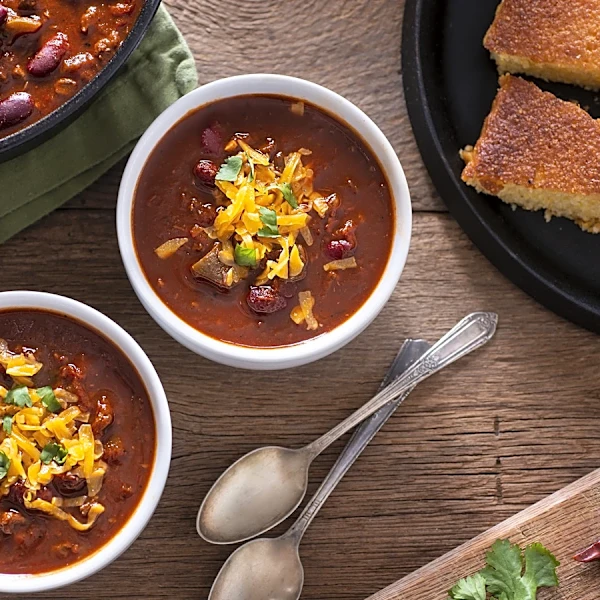
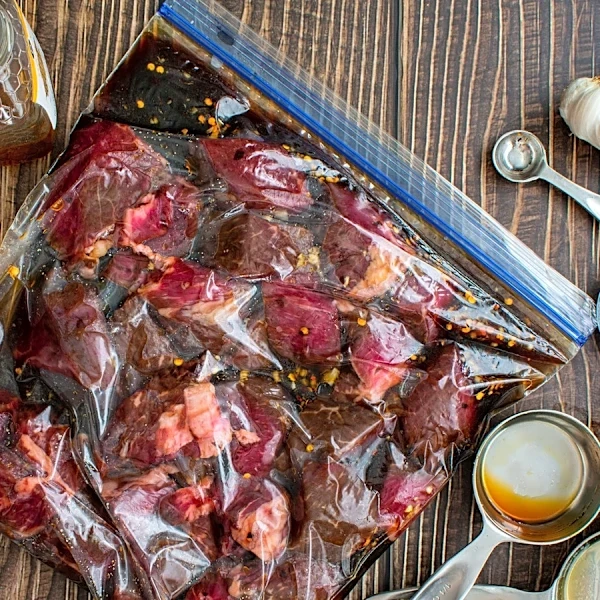
Mustard's versatility in the kitchen is evident in its widespread use across continents. It is commonly paired with meats, vegetables, and cheeses, making it a popular condiment for sandwiches, hamburgers, and hot dogs in many parts of the world. Beyond its role as a table condiment, mustard is also a frequent ingredient in dressings, glazes, sauces, soups, relishes, and marinades.
In India and Bangladesh, mustard, whether as a paste or individual seeds, is a fundamental condiment. Its presence is equally strong in Mediterranean, northern and southeastern European, Asian, American, and African cuisines. This global reach makes mustard one of the most popular and widely used spices and condiments, demonstrating its ability to complement a vast array of flavors and dishes.
The Science of Flavor and Preservation
The distinctive pungency of mustard is a result of a chemical reaction. When whole mustard seeds are crushed and mixed with a liquid, an enzyme is activated, releasing pungent sulfurous compounds. These compounds, however, evaporate quickly. To create a longer-lasting flavor, an acidic liquid like wine or vinegar is often added, which slows down this reaction.
Prepared mustard is typically sold in glass jars, plastic bottles, or metal squeeze tubes. Its antibacterial properties and acidity mean it does not require refrigeration for safety, as it will not grow mold, mildew, or harmful bacteria. While mustard can last indefinitely without becoming inedible, it may dry out, lose flavor, or brown due to oxidation over time. Mixing in a small amount of wine or vinegar can help improve dried-out mustard. Although prepared mustard loses its pungency over time, this process can be slowed by storing a sealed container in a cool, dark place or a refrigerator.