







Gerald Ford's presidency is marked by a unique distinction: he is the only person to have served as both Vice President and President of the United States without being elected to either position. This unusual path to the highest office in the land was a result of a series of unprecedented events in American political history. Ford's ascent to the presidency came at a time of significant turmoil and change, following the resignation of both his predecessor,
Richard Nixon, and Nixon's Vice President, Spiro Agnew.
The Resignation of Spiro Agnew
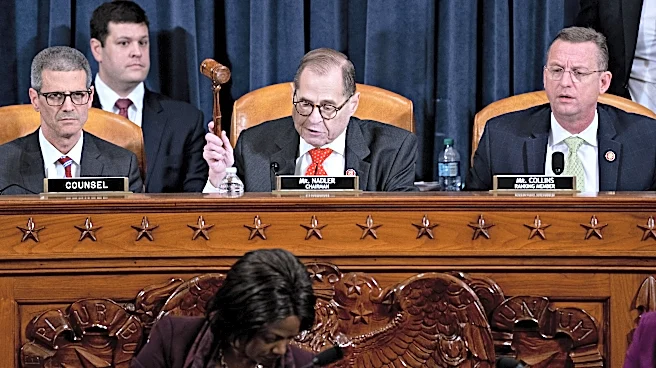
Gerald Ford's journey to the presidency began with the resignation of Vice President Spiro Agnew in 1973. Agnew resigned amid charges of tax evasion and money laundering, leaving a vacancy in the vice presidency. At the time, Ford was serving as the House Minority Leader, a position he had held since 1965. His reputation for integrity and bipartisanship made him an appealing choice for the role of Vice President. President Nixon nominated Ford for the position, and he was confirmed by Congress, taking office on December 6, 1973.
Ford's appointment as Vice President was a significant moment in American history, as it was the first time the 25th Amendment was used to fill a vacancy in the vice presidency. This amendment, ratified in 1967, allowed for the appointment of a new Vice President when the office became vacant, subject to confirmation by both houses of Congress. Ford's confirmation was swift, reflecting the confidence that both parties had in his ability to serve.
The Watergate Scandal and Nixon's Resignation
Ford's time as Vice President was short-lived, as the Watergate scandal soon engulfed the Nixon administration. The scandal, which involved a break-in at the Democratic National Committee headquarters and a subsequent cover-up by the Nixon administration, led to a loss of public trust in the presidency. As evidence of Nixon's involvement in the cover-up mounted, the pressure on him to resign increased.
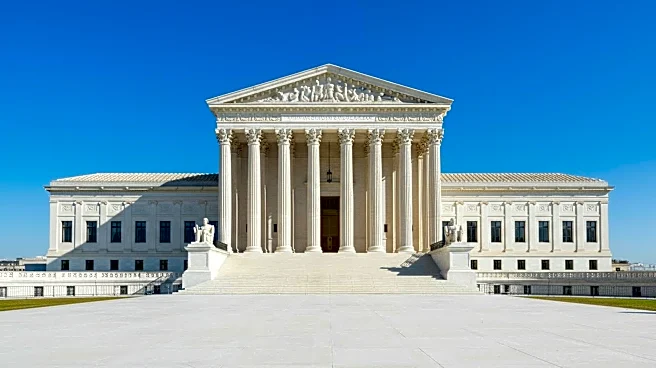
In August 1974, the Supreme Court ordered Nixon to release tape recordings that provided clear evidence of his involvement in the Watergate cover-up. Facing almost certain impeachment, Nixon chose to resign from the presidency on August 9, 1974. This resignation marked the first time in U.S. history that a sitting president had resigned from office. With Nixon's departure, Ford was sworn in as the 38th President of the United States, becoming the first person to assume the presidency without being elected to either the presidency or vice presidency.
Ford's Presidency and Legacy
Gerald Ford's presidency lasted from August 9, 1974, to January 20, 1977. His time in office was marked by efforts to heal the nation after the Watergate scandal and to address economic challenges, including a recession. One of his first acts as president was to grant a pardon to Richard Nixon for any crimes he might have committed while in office, a decision that was highly controversial and impacted Ford's popularity.
Despite the challenges he faced, Ford's presidency is often remembered for his commitment to transparency and his efforts to restore trust in the executive branch. His decision to pardon Nixon, while controversial, was made in the belief that it was necessary to move the country forward. Ford's unique path to the presidency and his efforts to lead the nation during a tumultuous time have left a lasting impact on American history.