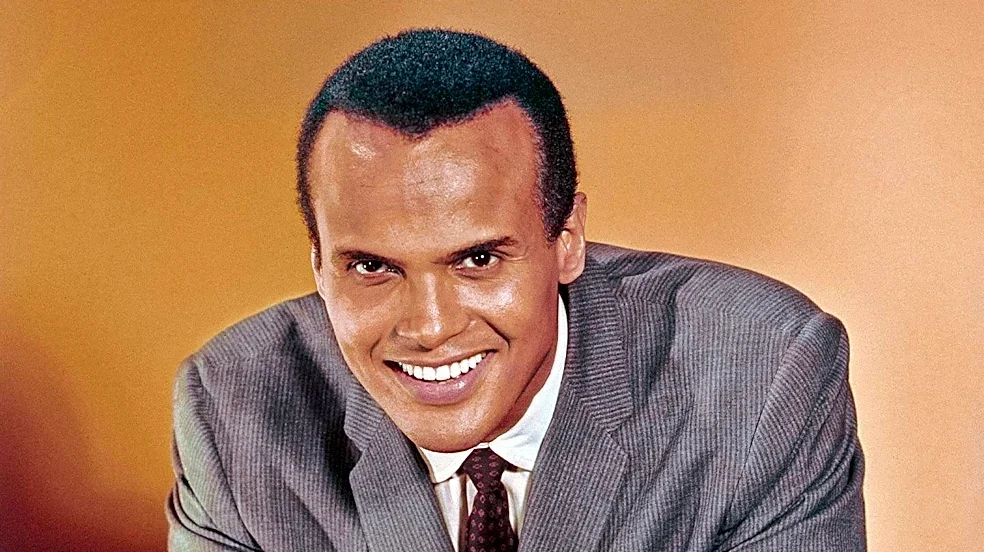








Harry Belafonte's 1956 album, *Calypso*, stands as a monumental achievement in music history, not only for its artistic merit but also for its groundbreaking commercial success. Released by RCA Victor, it quickly became Belafonte's second consecutive number-one album on the Billboard Best Selling Pop Albums chart, holding that top position for an impressive 31 weeks. More significantly, *Calypso* was the first Long Play (LP) record album ever to sell
over one million copies, a feat previously only achieved by single records. This landmark accomplishment solidified its place in the annals of recorded music and helped popularize calypso music on a global scale.
A Commercial Juggernaut
The commercial performance of *Calypso* was unprecedented for an album of its time. Its 31 weeks at number one on the Billboard chart were just one indicator of its immense popularity. The album also spent 58 weeks in the top ten and a total of 99 weeks on the U.S. album charts, demonstrating sustained appeal among listeners. This enduring presence on the charts underscores its widespread acceptance and the significant impact it had on the music-buying public. AllMusic, a prominent music database, later recognized the album's profound influence, awarding it a perfect 5 out of 5 stars and calling it "a record of inestimable influence."
Prior to *Calypso*, the million-selling milestone was reserved for individual singles like Glenn Miller's "Chattanooga Choo Choo," Bing Crosby's "White Christmas," and Tennessee Ernie Ford's "Sixteen Tons." Belafonte's album broke this barrier for LPs, signaling a shift in how music was consumed and the potential for full-length albums to achieve massive commercial success. This achievement not only elevated Belafonte's career but also paved the way for future album artists.
Enduring Cultural Recognition
The lasting significance of *Calypso* extends beyond its commercial triumphs, earning it prestigious cultural accolades decades after its release. In 2015, the album was inducted into the Grammy Hall of Fame, an honor reserved for recordings of lasting qualitative or historical significance. This recognition from the Recording Academy highlights its enduring artistic value and its place in the pantheon of great musical works.
Further cementing its legacy, *Calypso* was selected for preservation in the National Recording Registry by the Library of Congress in 2018. This esteemed registry aims to preserve sound recordings that are deemed "culturally, historically, or aesthetically significant." Its inclusion underscores the album's profound impact on American culture and its importance as a historical document of musical expression. These honors collectively affirm *Calypso*'s status as a timeless and influential work that continues to resonate with audiences and scholars alike.
The Power of Its Singles
Much of *Calypso*'s success can be attributed to its iconic singles, particularly "Day-O (The Banana Boat Song)" and "Jamaica Farewell." "Day-O" became Harry Belafonte's signature song, largely contributing to the album's widespread appeal. This track, sung from the perspective of dock workers loading bananas, vividly portrays their desire for their work to be tallied so they can go home after a night shift. The single reached number five on Billboard's pop chart, becoming a cultural phenomenon.
"Jamaica Farewell," another key track, is a mento folk song that beautifully describes the West Indian islands and a love left behind. This song, which was first published on *Calypso*, also found significant success as a single, reaching number 14 on Billboard's pop chart. Together, these two songs not only propelled the album to unprecedented heights but also introduced millions to the vibrant sounds and storytelling traditions of calypso and mento music.