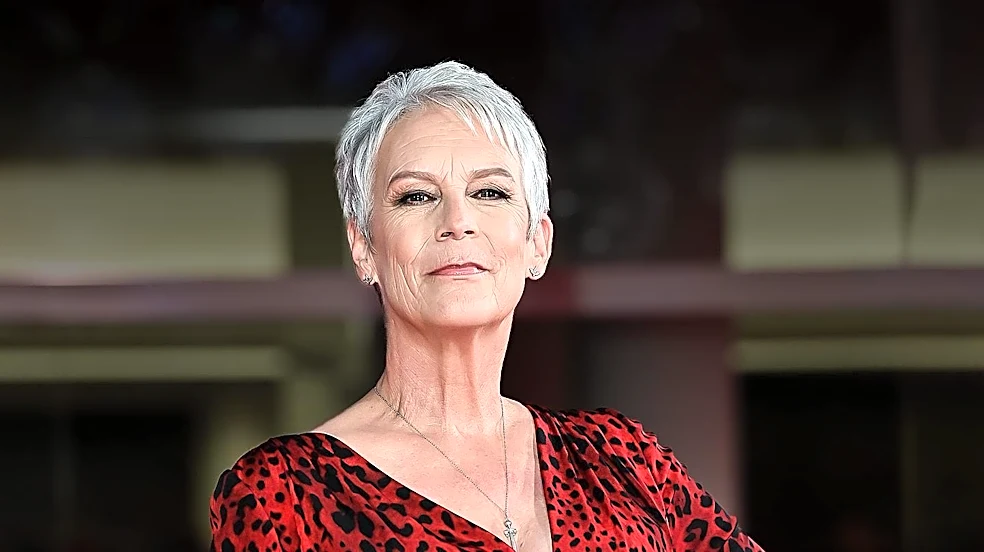









The 2018 film *Halloween* centers significantly on the character of Laurie Strode, portrayed once again by Jamie Lee Curtis. This installment, a direct sequel to the 1978 original, re-establishes Laurie not just as a survivor, but as a woman profoundly shaped by the trauma of her encounter with Michael Myers four decades prior. Her life in Haddonfield is depicted as one of constant vigilance and preparation, a stark contrast to the typical "final
girl" trope. This film delves deep into the psychological impact of her past, showcasing her resilience and her unwavering determination to confront the evil that has haunted her for so long.
The Weight of Forty Years: Post-Traumatic Stress and Isolation
Forty years after Michael Myers's initial killing spree, Laurie Strode lives an isolated life, deeply affected by post-traumatic stress. She drinks heavily and rarely leaves her heavily fortified house, which she has meticulously prepared for Michael's inevitable return. This long-standing trauma has severely impacted her family life, leading to a very complicated and strained relationship with her daughter, Karen Nelson. The state even took Karen away from Laurie when she was 12, a testament to the extreme measures Laurie took in her preparations and the toll it took on her family. Her granddaughter, Allyson, attempts to maintain a relationship with Laurie, serving as a bridge between Laurie's past and the present.
Laurie's obsession with Michael Myers is so profound that she has actively wished for his escape, desiring a personal opportunity to kill him. This desire highlights her shift from a victim to a proactive, albeit traumatized, warrior. When Michael does escape during a prisoner transfer on October 30, Laurie's long-held fears are realized, but so is her grim wish for a final confrontation. She immediately attempts to warn Karen, but her daughter, having grown up under the shadow of Laurie's paranoia, initially dismisses her concerns, urging Laurie to move on from the past.
A Family Divided and United by Fear
The film explores the generational impact of Michael Myers's actions through Laurie's relationships with Karen and Allyson. Karen's childhood was marked by Laurie's intense preparations, including being taught to shoot at a young age, which led to her being removed from Laurie's care. This history creates a deep rift, with Karen struggling to understand and accept her mother's constant state of readiness. Allyson, however, represents a new generation, initially more detached from the direct trauma but soon drawn into the unfolding horror. She learns about the past through her grandmother's experiences and the stories circulating in Haddonfield, including the false rumor that Michael was Laurie's brother, which Allyson refutes, stating, "No, it was not her brother. That was something people made up."
The narrative builds towards a powerful climax where the three generations of Strode women—Laurie, Karen, and Allyson—unite to face Michael Myers. After Michael escapes and returns to Haddonfield, Laurie prepares for the ultimate showdown. The film culminates in a confrontation at Laurie's fortified home, where she, Karen, and Allyson work together to trap Michael in a safe room and set the house ablaze. This collective effort signifies a turning point, transforming the individual trauma into a shared fight for survival and a reclaiming of their narrative. Despite Laurie fainting from her injuries as they escape, the image of the burning basement, with Michael nowhere in sight, leaves a lasting impression of their hard-won, albeit temporary, victory.
Jamie Lee Curtis's Return and the Film's Thematic Depth
Jamie Lee Curtis's decision to reprise her role was pivotal, and she stated that the script's ability to connect the dots of the story made her return feel appropriate. Her performance was widely praised by critics, who highlighted her portrayal of a woman grappling with decades of trauma. The film's presentation at San Diego Comic-Con included Curtis discussing how the movie ties into the MeToo movement, describing it as a film about "trauma" and Laurie "taking back her narrative." She emphasized that Laurie, having carried the trauma and PTSD of being attacked, reaches a point where she refuses to be a victim, having waited 40 years for this chance. This thematic depth, combined with Curtis's powerful performance, elevated the film beyond a typical slasher, making Laurie Strode a compelling figure of resilience and empowerment.