





Appliqué is a versatile sewing technique that involves attaching fabric pieces onto a larger base fabric to create decorative patterns or images. This art form has been practiced for centuries and has evolved to include various methods and styles. Among the most notable techniques are direct appliqué and reverse appliqué, each offering unique aesthetic possibilities and challenges. Understanding these techniques provides insight into the creative
process behind this enduring craft.
Direct Appliqué
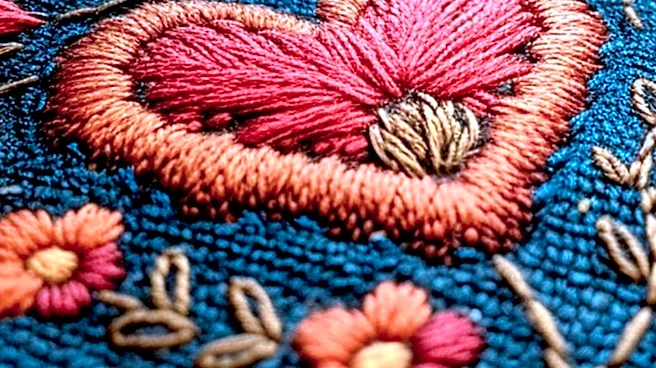
Direct appliqué is the most common form of this technique, where fabric shapes are sewn directly onto a base fabric. This method allows for a wide range of creative expression, as artisans can choose from an array of fabrics, colors, and patterns to create their designs. The pieces can be attached using hand stitching or machine sewing, depending on the desired effect and the complexity of the design.
In direct appliqué, the edges of the fabric pieces are often turned under and stitched down to prevent fraying, creating a clean and polished look. This technique is widely used in quilting, where it adds texture and dimension to the finished piece. The versatility of direct appliqué makes it a favorite among textile artists, allowing them to experiment with different materials and compositions.
Reverse Appliqué
Reverse appliqué offers a different approach, where two layers of fabric are used, and the top layer is cut away to reveal the fabric beneath. This technique creates a layered effect, adding depth and interest to the design. Reverse appliqué is particularly popular in the creation of Mola textiles in South America, where intricate patterns are achieved through this method.
The process of reverse appliqué involves carefully cutting away sections of the top fabric layer to expose the contrasting fabric below. The edges of the cut-out areas are then stitched down, often with decorative stitching, to secure the layers and enhance the design. This technique requires precision and skill, as the cut edges must be clean and even to achieve the desired effect.
Modern Innovations
With the advent of electronic sewing machines, the process of creating appliqué designs has become more efficient and accessible. Modern machines can quickly stitch appliqué patterns by following a programmed design, allowing for precise and intricate results. These machines often include features that pause the stitching process to allow for thread changes or adjustments, making it easier to achieve complex designs.
Despite these technological advancements, traditional hand-stitched appliqué remains a valued skill. The tactile nature of hand-sewing allows artisans to connect with their work on a deeper level, preserving the cultural heritage and personal touch that machine-made appliqué cannot replicate. Whether created by hand or machine, appliqué continues to be a beloved technique in the world of textile arts.