






The term "wardrobe" today often brings to mind a collection of clothing, but its origins are rooted in a specific piece of furniture designed for storing garments. This essential item has undergone a significant transformation over centuries, evolving from a simple chest to the sophisticated, often custom-fitted storage solutions we see in modern homes. The journey of the wardrobe reflects changing needs, available materials, and evolving domestic
architecture, showcasing how a functional object can adapt and grow with society.
Early Forms and Etymological Roots
The earliest form of what we might recognize as a wardrobe was likely a chest, a basic container for possessions. However, the term "wardrobe" itself first referred to an entire room dedicated to storing garments. This usage highlights a time when clothing collections might have been extensive enough to warrant a dedicated space, perhaps in larger estates or royal residences. Over time, the term shifted to describe freestanding furniture that served the same purpose as these dedicated rooms.
The word "wardrobe" entered the English language in the early 14th century, deriving from Old French terms like "warderobe," "wardereube," and "garderobe." These words combine "warder," meaning "to keep" or "to guard," with "robe," meaning "garment." This etymology clearly indicates the primary function of the wardrobe: to protect and store clothing.
American Wardrobes: Materials and Styles
In the United States, the movable wardrobe, often referred to as a "hanging cupboard," emerged in the early 17th century. Interestingly, these early American wardrobes became an export product to England. This was due to the fact that English woodlands were either over-harvested or reserved for the Navy, making American timber a valuable resource. Many of these initial American wardrobes were crafted from oak, leading to them sometimes being called "Oakleys."
As time progressed, the materials used for wardrobes diversified. Later examples incorporated walnut, mahogany, pine, and various other hard and soft woods, reflecting both changing tastes and the availability of different timber resources. This variety in materials allowed for different aesthetic qualities and levels of craftsmanship in wardrobe construction.
Modern Innovations and Customization
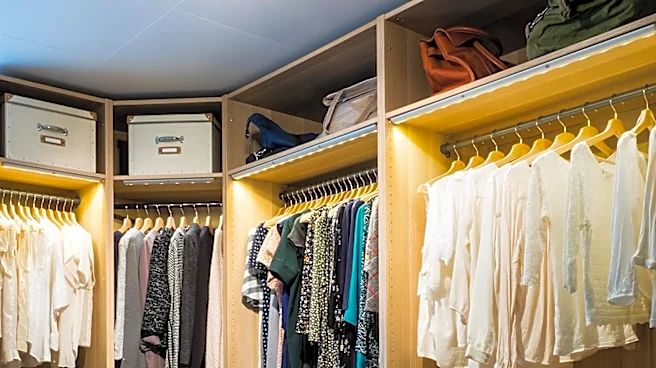
Throughout a significant portion of the 18th century, the tallboy was a common configuration for wardrobes, indicating a preference for vertical storage solutions. However, it was in the 19th century that the wardrobe began to take on its more contemporary form. This period saw the development of separate, specialized sections within the wardrobe, including dedicated hanging rods for clothes, shelves for folded items, and drawers for smaller articles.
Modern wardrobes have continued to evolve, often incorporating additional features for convenience and utility. It is not uncommon to find contemporary wardrobes that include built-in mirrors, presses, or even ironing boards, integrating multiple functions into a single piece of furniture. Furthermore, custom wardrobes have become popular, allowing them to be precisely fitted to the specific size and shape of a room, maximizing space and tailoring storage to individual needs. This evolution from a simple chest to a highly customized storage system underscores the wardrobe's enduring role in managing personal attire.