



The salwar kameez, a traditional trouser suit, stands as a testament to cultural adaptability and enduring style in South Asia. Worn by both men and women, particularly in North India, Pakistan, Bangladesh, and Afghanistan, this garment has transcended its historical origins to become a versatile staple. Its journey from an attire primarily associated with Muslim populations to a widely adopted garment among Hindus, and its evolution into a modern
office wear for women, highlights its capacity for cultural fusion and contemporary relevance. The garment's presence in countries like Britain and Canada, where it's known as a Punjabi suit due to immigrant communities, further underscores its global reach and cultural significance.
Evolution of Style and Design
The fundamental components of the salwar kameez—the loose trousers (salwar) and the long tunic (kameez)—have undergone significant stylistic evolution over centuries. While the salwar traditionally resembled pajama-like trousers, often wide and ample, modern interpretations include narrower cuts, some even approaching the fit of jeans. The kameez, originally a long shirt extending to the upper knee, now frequently appears in shorter lengths in contemporary fashion. The side slits, or *chaak*, designed for ease of movement, remain a characteristic feature, but the overall silhouette and embellishments have diversified. Designers often incorporate various fabrics, colors, and intricate embroideries, transforming the traditional attire into a canvas for personal expression and modern trends.
The Role of the Dupatta and Gendered Fashion
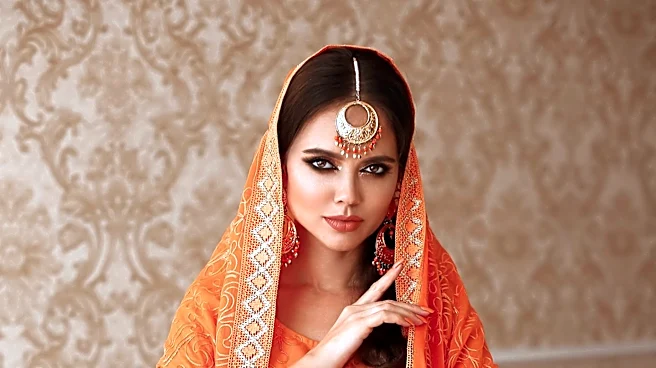
For women, the salwar kameez ensemble is almost invariably completed with a *dupatta*, a long scarf or shawl. This accessory holds both practical and cultural significance. It can be draped around the head, a common practice among Muslim women, or artfully gathered over the chest with its ends flowing down the back, often seen among Hindu women. The dupatta adds an element of modesty, elegance, and color to the outfit. While the salwar kameez is worn by both genders in Afghanistan and Pakistan, it is predominantly a women's garment in India, Bangladesh, Nepal, and Sri Lanka. Men's versions of the kameez are sometimes referred to as *kurta*, a term also used for a similar men's outfit, indicating a subtle distinction in nomenclature and styling for male wearers.
Modern Interpretations and Cultural Impact
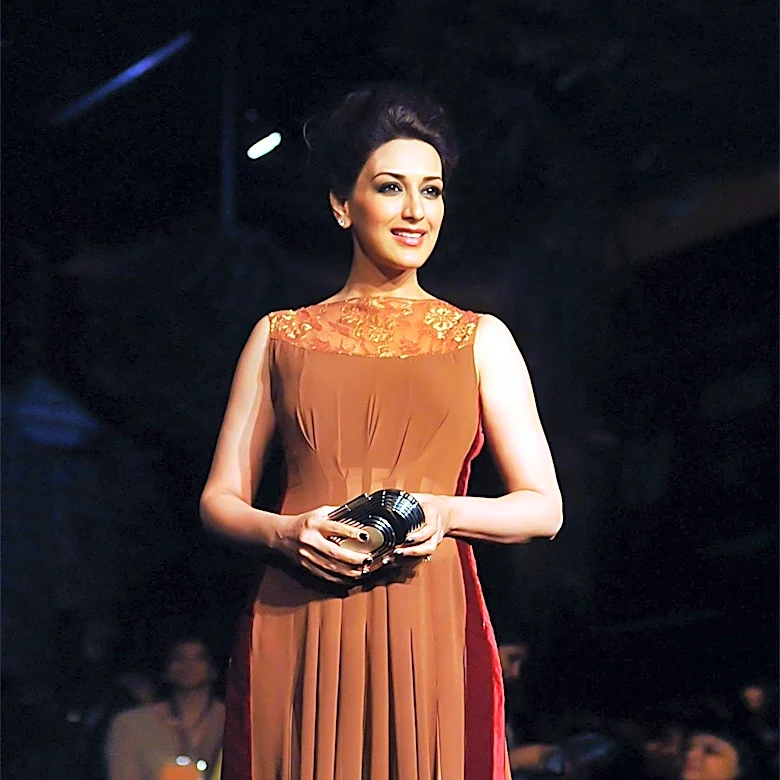
The salwar kameez has seamlessly integrated into modern life, often perceived as contemporary office wear for women in some regions. Its adaptability is evident in the diverse forms it takes, from traditional designs to highly stylized versions seen in Bollywood musicals, which sometimes feature very minimalist adaptations. This garment's ability to blend tradition with contemporary fashion trends, while maintaining its core identity, speaks to its enduring appeal. It represents not just a piece of clothing, but a dynamic cultural artifact that continues to evolve, reflecting the changing tastes and lifestyles of the people who wear it across South Asia and beyond.