





Sunless tanning is a popular alternative to traditional sunbathing and tanning beds, offering a way to achieve a tan without UV exposure. However, like any cosmetic product, sunless tanning comes with its own set of risks and safety concerns. Understanding these risks can help users make safer choices.
Skin Reactions and Sensitivities
One of the primary concerns with sunless tanning products is the potential for skin irritation. Dihydroxyacetone (DHA), the active ingredient in most
sunless tanners, can cause contact dermatitis in some individuals. This reaction may manifest as redness, itching, or a rash, particularly in those with sensitive skin.
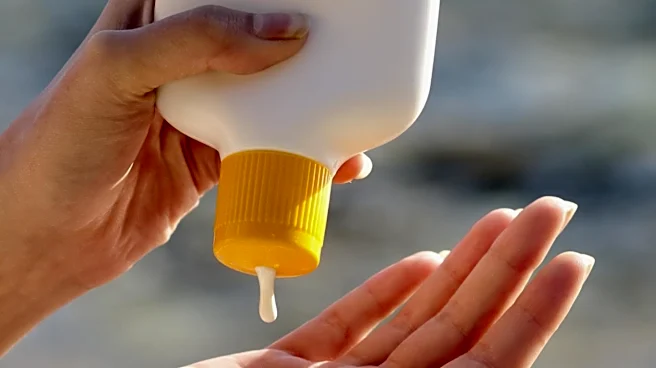
To minimize the risk of irritation, it is recommended to perform a patch test before applying the product to a larger area. This involves applying a small amount of the product to a discreet area of skin and waiting 24 hours to check for any adverse reactions. If irritation occurs, it is best to avoid using the product.
Inhalation and Internal Exposure
Another significant risk associated with sunless tanning is the potential for inhalation or internal exposure, particularly with spray tanning booths. The U.S. Food and Drug Administration (FDA) has not approved DHA for inhalation, and exposure to the eyes, lips, or mucous membranes should be avoided.
When using spray tanning booths, it is important to take precautions to minimize inhalation. This can include wearing protective eyewear, nose plugs, and lip balm to create a barrier. Additionally, ensuring proper ventilation in the tanning area can help reduce the risk of inhaling the mist.
Free Radical Formation and UV Exposure
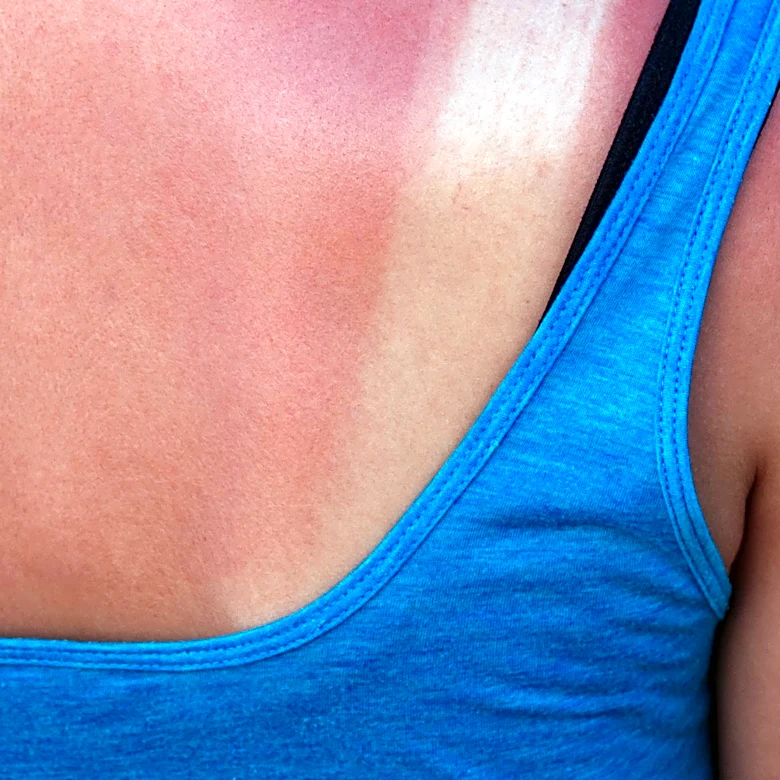
While sunless tanning does not involve UV exposure, there is a risk of increased free radical formation when the skin is exposed to sunlight after DHA application. This is due to the reaction of DHA with the skin, which can lead to oxidative stress and potential skin damage.
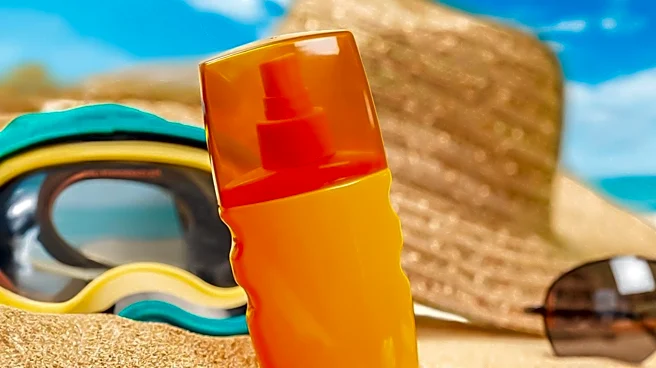
To mitigate this risk, it is advisable to avoid excessive sun exposure for at least 24 hours after applying a sunless tanner. Using a broad-spectrum sunscreen and antioxidant creams can also help protect the skin from UV damage and reduce free radical production.
In conclusion, while sunless tanning offers a safer alternative to UV tanning, it is not without its risks. By understanding these risks and taking appropriate precautions, users can enjoy the benefits of a sunless tan while minimizing potential health concerns.