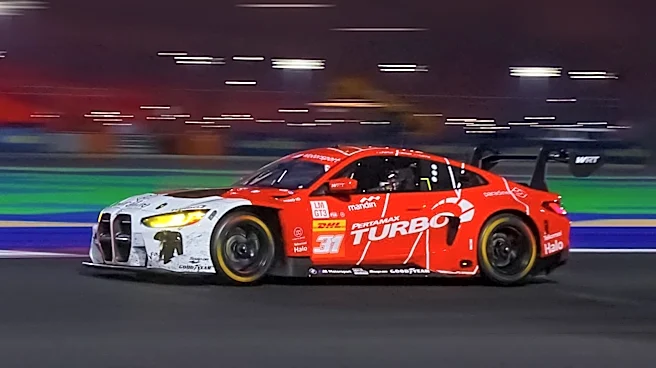







The Intercontinental GT Challenge (IGTC), established by the SRO Group in 2016, presents a distinctive model for manufacturer involvement in international sports car racing. Unlike traditional series where manufacturers might field dedicated factory teams, the IGTC's format encourages a more collaborative approach. Manufacturers support local teams in specific events, aiming to accumulate points towards the coveted Manufacturers' Championship. This
strategy allows for a global footprint without the extensive logistical and financial commitment of running full factory operations at every race.
The Unique Manufacturer Participation Model
The core of the IGTC's manufacturer strategy lies in its emphasis on supporting existing local teams. Instead of directly entering their own cars, manufacturers provide backing to teams that already compete with their GT3 machinery. This model was evident from the inaugural season in 2016, which saw prominent brands like Audi, Bentley, McLaren, and Mercedes actively participating. Their involvement demonstrated the viability and appeal of this indirect approach, allowing them to compete for an international title while leveraging the expertise and infrastructure of established racing outfits worldwide.
This system benefits both the manufacturers and the local teams. Manufacturers gain a cost-effective way to compete on a global stage, showcasing their GT3 cars and engineering prowess. Local teams, in turn, receive valuable support, resources, and potentially factory drivers, enhancing their competitiveness in high-profile endurance races. This symbiotic relationship is a cornerstone of the IGTC's format, fostering a diverse and competitive grid across its international calendar.
Competing for the Manufacturers' Championship
The Manufacturers' Championship is a central focus of the Intercontinental GT Challenge. The title is awarded to the manufacturer that achieves the highest points tally over the course of the season. To manage competition and strategy, specific rules govern how points are accumulated. A manufacturer has the flexibility to enter up to four cars in any given event. However, a crucial aspect of the scoring system is that only the two highest-placed cars from that manufacturer will contribute points to their overall championship total.
This rule encourages manufacturers to ensure multiple strong entries in each race, maximizing their chances of having at least two cars finish in point-scoring positions. It also adds a layer of strategic depth, as manufacturers must decide which teams to support and how to allocate resources to optimize their two best results. The competition for this title is fierce, as evidenced by past champions like BMW, highlighting the prestige associated with being the top manufacturer in this global GT3 endurance series. The series' reliance on Pirelli as the sole tire supplier further standardizes a key performance variable, placing greater emphasis on car setup, team execution, and driver skill.