



Turkey, officially known as the Republic of Türkiye, is a country that straddles two continents, Asia and Europe. This unique positioning has made Turkey a significant player in global geopolitics. With its capital in Ankara and its largest city, Istanbul, Turkey serves as a bridge between the East and the West. Its strategic location has influenced its role in international organizations and its relationships with neighboring countries.
Turkey's Strategic Location
Turkey's geographical
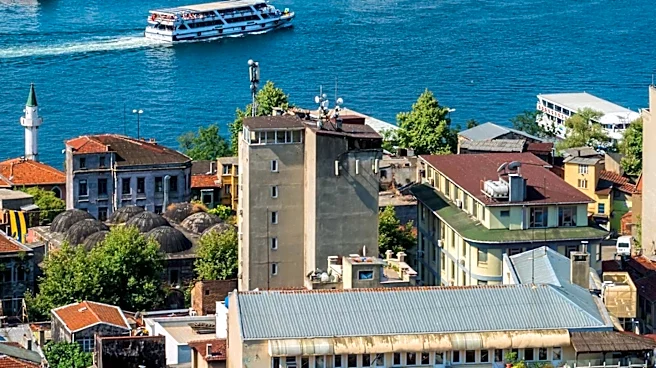
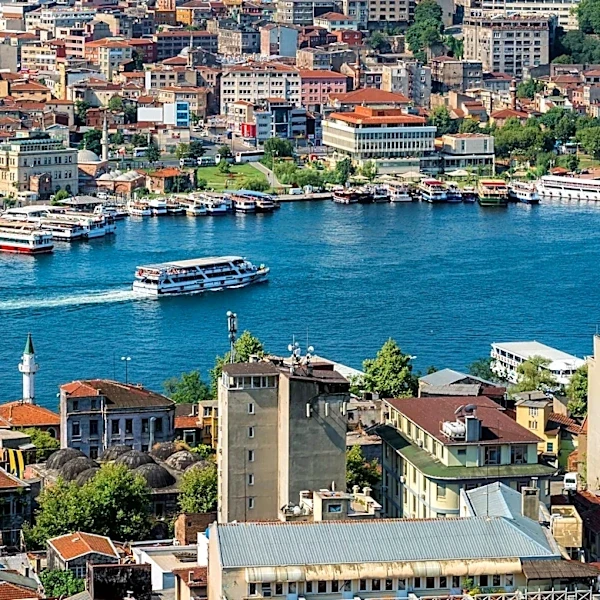
location is one of its most defining features. It is situated mainly on the Anatolian Peninsula in Western Asia, with a smaller portion on the Balkan Peninsula in Southeast Europe. This positioning allows Turkey to control key maritime routes, including the Bosporus Strait, which connects the Black Sea to the Mediterranean. This control is crucial for international trade and military strategy, making Turkey an important ally for many countries.
The country shares borders with eight nations, including Greece and Bulgaria to the west, and Georgia, Armenia, and Iran to the east. To the south, it borders Iraq and Syria, placing it at the heart of some of the world's most volatile regions. This proximity to conflict zones has made Turkey a critical player in regional security and diplomacy.
Turkey's Role in International Organizations
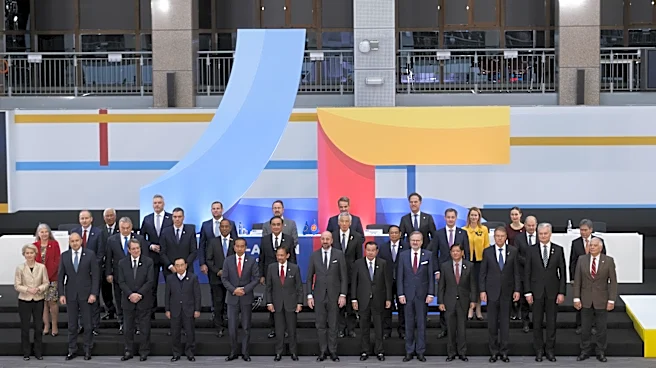
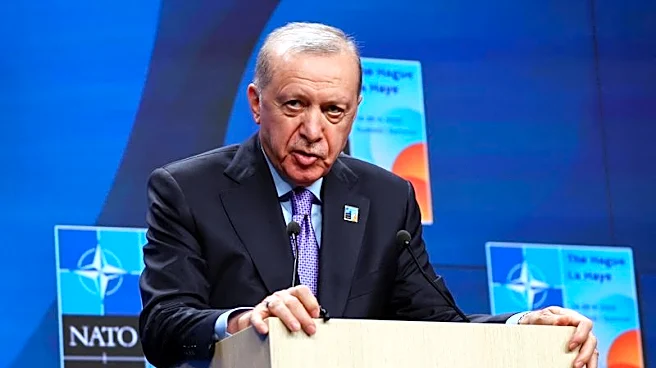
Turkey's strategic location has also influenced its participation in international organizations. It is a founding member of the Organization for Economic Co-operation and Development (OECD) and the G20, highlighting its economic significance. Additionally, Turkey is a member of the North Atlantic Treaty Organization (NATO), where it has the second-largest military personnel. This membership underscores Turkey's importance in global security and defense.
As a candidate for the European Union, Turkey is part of the EU Customs Union, which facilitates trade and economic cooperation with European countries. Its role in these organizations reflects its ambition to be a regional power and a bridge between different cultures and economies.
Challenges and Opportunities
Despite its strategic advantages, Turkey faces several challenges. Its location makes it vulnerable to regional conflicts and geopolitical tensions. The ongoing conflicts in Syria and Iraq have had direct implications for Turkey, including issues related to refugees and border security.
However, Turkey's position also presents opportunities. It aims to become a hub for regional energy transportation, leveraging its location to facilitate the flow of energy resources between Asia and Europe. This ambition aligns with its goal to diversify its economy and strengthen its role as a regional power.
In conclusion, Turkey's geopolitical significance is rooted in its unique location and its active participation in international organizations. While it faces challenges, its strategic position offers numerous opportunities for growth and influence on the global stage.