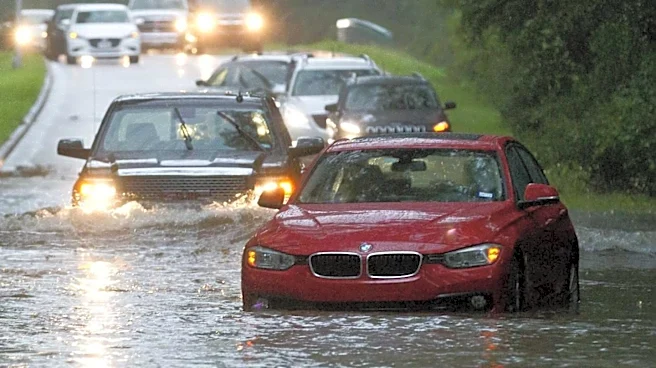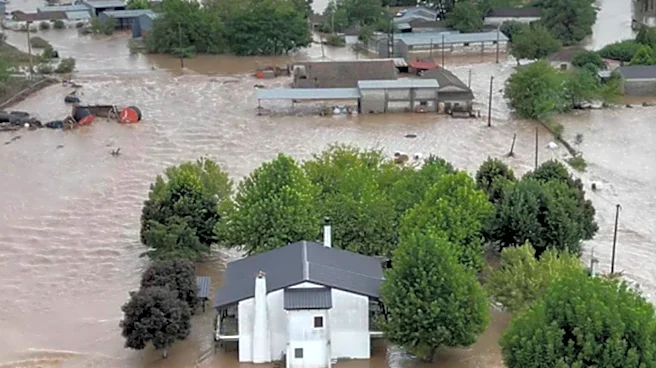







In August 2021, western Middle Tennessee experienced a devastating natural disaster when heavy rainfall led to catastrophic flooding. This event resulted in a significant loss of life, with 20 fatalities reported, and caused widespread destruction to property. The floods were particularly severe in Waverly, where hundreds of homes and businesses were completely destroyed, leaving a profound impact on the community. This tragic event also marked a grim
milestone for the state, as it broke Tennessee's 24-hour rainfall record, highlighting the extreme nature of the weather system that caused such widespread damage.
Unprecedented Rainfall and Its Immediate Aftermath
The heavy rainfall that preceded the floods was truly exceptional, setting a new state record for a 24-hour period. This intense downpour overwhelmed natural and man-made drainage systems, leading to rapid and destructive flash flooding across the region. The sheer volume of water, falling within such a short timeframe, transformed rivers and streams into raging torrents, sweeping away infrastructure and inundating populated areas.
The immediate aftermath was characterized by chaos and devastation. Emergency services were stretched thin as they responded to numerous calls for rescue and assistance. The suddenness and intensity of the flooding left many residents little time to prepare or evacuate, contributing to the high number of fatalities. The destruction of homes and businesses meant that countless individuals and families were displaced, facing the daunting task of rebuilding their lives from scratch.
Waverly: The Epicenter of Destruction
Waverly, a town in western Middle Tennessee, bore the brunt of the 2021 floods, becoming the epicenter of the disaster. The community suffered immense damage, with hundreds of residential properties and commercial establishments completely wiped out. The force of the floodwaters was so powerful that it reshaped the landscape of the town, leaving behind a trail of debris and structural wreckage.
The impact on Waverly was not just physical; it also had a profound social and economic toll. The destruction of businesses led to job losses and economic hardship, further complicating the recovery efforts. The close-knit community faced the challenge of not only repairing physical structures but also healing from the emotional trauma inflicted by the catastrophic event. The scale of destruction in Waverly underscored the vulnerability of communities to extreme weather phenomena and the critical need for robust disaster preparedness and response strategies.
Breaking the State's Rainfall Record
One of the most significant aspects of the August 2021 flooding was the breaking of Tennessee's 24-hour rainfall record. This meteorological milestone serves as a stark reminder of the extreme weather conditions that fueled the disaster. The previous record was surpassed by a considerable margin, indicating an unprecedented level of precipitation for the state.
This record-breaking rainfall was the direct cause of the massive flash flooding. The ground, already saturated, could not absorb the additional water, leading to rapid runoff and overflowing waterways. The event highlights the increasing frequency and intensity of extreme weather events, posing new challenges for communities in terms of infrastructure resilience and emergency planning. Understanding the meteorological factors behind such record-breaking rainfall is crucial for developing better forecasting models and mitigation strategies to protect lives and property in the future.