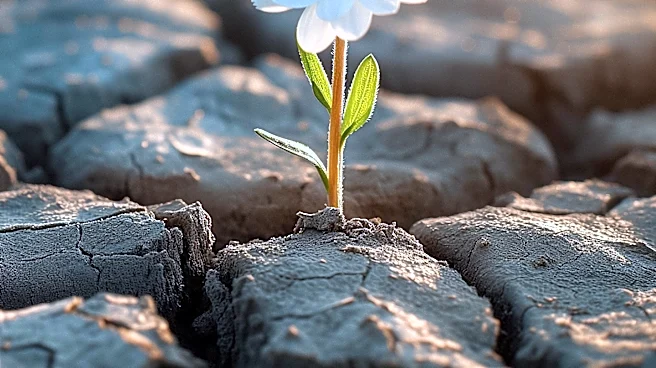








Psychological resilience, often referred to as mental resilience, is the capacity to cope mentally and emotionally with crises, or to rapidly return to a pre-crisis state. It is understood either as a developmental process that can be cultivated over time or as a relatively stable personality trait. Resilient individuals effectively utilize mental processes and behaviors to promote personal assets and protect themselves from the potential negative
effects of stressors. This adaptation allows them to maintain or regain a healthy mental state during chaos without long-term negative consequences. While difficult to measure due to varied interpretations across psychological paradigms, resilience consistently centers on two core concepts: adversity and positive adaptation.
Defining and Influencing Resilience
Numerous definitions of psychological resilience exist, but they generally converge on the idea of positive adaptation following a stressful or adverse situation. Positive emotions, strong social support networks, and a sense of hardiness are key factors that can enhance a person's resilience. A psychologically resilient individual can withstand adverse mental conditions often associated with unfavorable life circumstances, distinguishing it from psychological recovery, which implies a return to mental conditions preceding a traumatic event. Research underscores resilience's crucial role in promoting mental health and well-being, as resilient people are better equipped to navigate challenges, maintain positive emotions, and recover from setbacks. They often exhibit higher levels of self-efficacy, optimism, and problem-solving skills, enabling them to adapt and thrive.
Daily stressors, while disruptive, can also present opportunities for growth and promote resilience. Some psychologists suggest that it is not stress itself, but rather an individual's perception of stress and their perceived level of control, that fosters resilience. Stress provides opportunities to practice resilience over time, though individual capacities for handling stress vary. Stress can manifest during difficult life transitions, traumatic events like grief, and environmental pressures such as poverty. Resilience is an integrated adaptation of physical, mental, and spiritual aspects, contributing to a coherent sense of self that can maintain normative developmental tasks throughout life. Characteristics associated with resilience include an easy temperament, good self-esteem, planning skills, and a supportive environment both within and outside the family. A resilient response is more likely when an event is appraised as comprehensible, manageable, and meaningful.
The Process and Biological Basis of Resilience
Psychological resilience is commonly understood as a process—a tool developed over time—rather than a static trait. Most research indicates that resilience results from individuals interacting with their environments and engaging in processes that either promote well-being or protect them from overwhelming risks. This perspective views resilience as something to develop and pursue. When faced with adversity, individuals can respond in three ways: with anger or aggression, by becoming overwhelmed and shutting down, or by feeling the emotion and handling it appropriately. Resilience is fostered by the third approach, where individuals adapt and change patterns to cope with disruptive states, enhancing their well-being. In contrast, the first two approaches can lead to a victim mentality, hindering recovery.
From a scientific standpoint, resilience is multifaceted, with complex links to genetics and biological mechanisms. It is conceptualized as a positive bio-psychological adaptation useful for predicting long-term health. Three notable bases for resilience—self-confidence, self-esteem, and self-concept—are rooted in different nervous systems. Research suggests that resilience, like trauma, is influenced by epigenetic modifications, such as increased DNA methylation of the growth factor GDNF in certain brain regions. A broader biological framework proposes that resilience emerges from the interaction of the oxytocin system, the affiliative brain, and biobehavioral synchrony. Oxytocin facilitates neural plasticity, reduces fear, and promotes social interaction, creating a biological sense of safety. The affiliative brain, a network of neural structures, supports empathy, emotional regulation, and social relationships. Biobehavioral synchrony, the coordination of biological and behavioral processes between individuals, establishes a "rhythm of safety" in early development, aiding emotion regulation and stress tolerance.
Resilience in Specific Life Situations
Resilience plays a critical role in various specific life contexts. In the aftermath of divorce, cultivating resilience benefits all parties. A child's resilience post-divorce depends on internal factors (psychological and physical state) and external support (schools, friends, family). While 20-25% of children may exhibit severe emotional problems during divorce, 75-80% develop into well-adjusted adults, demonstrating inherent resilience. Post-divorce challenges like parental conflict, financial issues, and remarriage can add stress, but internal and external factors, along with support programs, can aid coping.
Regarding bullying, emotional intelligence can foster resilience in victims. The ability to adapt to repetitive stress is crucial for positive outcomes. Studies show higher behavioral resilience in girls and emotional resilience in boys, suggesting psychosocial skill interventions. Emotion regulation is vital, as managing stress and negative emotions can prevent victims from perpetuating aggression. After natural disasters, resilience is gauged individually, communally, and physically. Communities that pool social, natural, and economic resources tend to be more resilient. Individual resilience is predicted by the ability to process emotions during and after the disaster; those who engage with their emotions often grow from the experience, while avoidant coping leads to poorer mental health outcomes.
In the workplace, resilience is examined in the context of failure and setbacks. It is a core construct of positive organizational behavior, facilitated by personality traits, personal resources (e.g., self-efficacy, work-life balance), positive emotions, and work resources (e.g., social support). Innovator Resilience Potential (IRP), with components like self-efficacy, optimism, and hope, is crucial in innovation contexts due to high uncertainty and frequent setbacks. Finally, cultural differences influence how resilience is understood and manifested. Individualist cultures emphasize personal goals and self-reliance, while collectivist cultures prioritize group harmony and interdependence. These cultural frameworks shape responses to adversity, such as natural disasters, highlighting the diverse pathways to resilience across different societies.