


Big Thunder Mountain Railroad is more than just a roller coaster; it's an intricately themed experience deeply rooted in the lore of the American Southwest. The attraction immerses guests in a narrative of a haunted mine, a boomtown built on gold, and the supernatural consequences of disturbing sacred land. This detailed theming, while not always explicitly stated to guests, forms the backbone of the ride's atmosphere and visual storytelling, drawing
inspiration from real geological formations and historical mining towns.
A Fictional History of Gold and Greed
The detailed backstory of Big Thunder Mountain Railroad, though primarily found in park literature and training materials rather than directly communicated to guests, sets the stage for the adventure. Sometime in the late 1800s, gold was discovered on Big Thunder Mountain in the American Southwest. This discovery led to a rapid transformation, turning a small mining town into a thriving settlement. Depending on the park, this town is known as Rainbow Ridge in Disneyland, Tumbleweed in Magic Kingdom, or Thunder Mesa in Disneyland Park Paris. These towns flourished under the control of a greedy mining company owner, identified as Barnabas T. Bullion in the American versions and Henry Ravenswood in Disneyland Park Paris. The mining operations were prosperous, leading to the establishment of an extensive network of mine trains to transport the ore.However, unknown to the settlers, the mountain was a sacred site to local Native Americans and was believed to be cursed. The settlers' desecration of this sacred mountain eventually led to a great tragedy. This event is typically depicted as an earthquake in Disneyland and Disneyland Park Paris, a tsunami in Tokyo Disneyland, or a flash flood in Magic Kingdom, which devastated the mines and the town, leading to its abandonment. Some time after this catastrophe, the locomotives were mysteriously found racing around the mountain on their own, without any engineers or crew. This supernatural phenomenon led to the founding of the Big Thunder Mountain Railroad in the old mining camp, allowing wanderers to take rides on these possessed trains, thus creating the premise for the attraction.
Architectural and Geological Inspirations
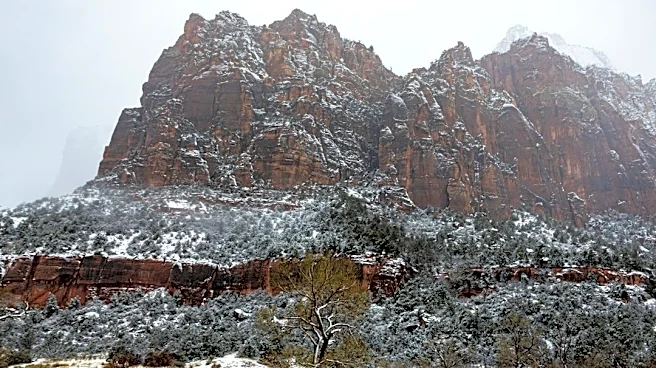
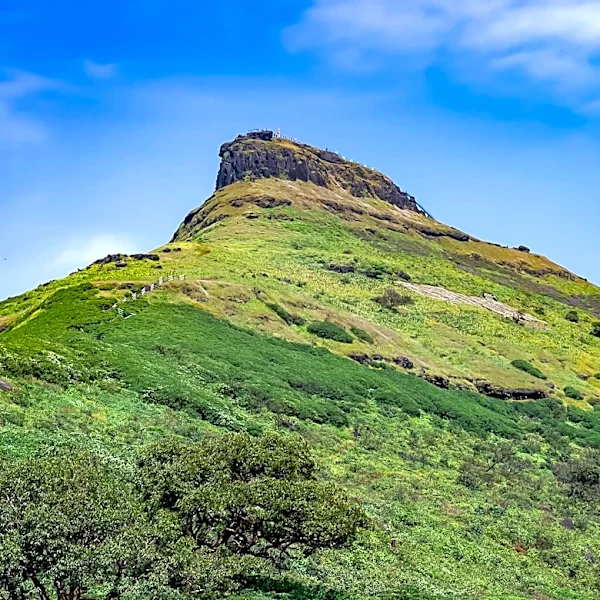
The visual design of Big Thunder Mountain Railroad is heavily influenced by the distinctive landscapes of the American Southwest. The mountains themselves are themed to resemble the red rock formations characteristic of the region. Specifically, the rock work designs in the Disneyland version are based on the hoodoos of Bryce Canyon National Park in Utah, giving them a more rounded appearance and muted colors. In contrast, the Magic Kingdom, Tokyo, and Paris versions of the ride draw inspiration from the rising buttes found in Arizona and Monument Valley in Utah, featuring sharp-edged mountains and vibrant colors.The station buildings across all four versions of the ride are designed to evoke the appearance of a mining company office from the mid to late 19th century, further immersing guests in the historical context of the theme. The attraction was meticulously designed to create the illusion that the rock formations were naturally occurring, and the track was built around them, rather than the other way around. This approach enhances the realism of the environment, making the ride feel like an authentic journey through a wild, untamed landscape. In the Disneyland park, the queue line passes through a narrow rock wall, with the surrounding walls originally created from 100 tons of gold ore from Rosamond, adding to the authenticity.
Immersive Details and Sensory Experiences
Beyond the grand geological formations, Big Thunder Mountain Railroad incorporates numerous smaller details and sensory elements to enrich the immersive experience. In the Disneyland park, for example, music and laughter can be heard emanating from one of the saloons in Rainbow Ridge, and the sound of a typewriter can be heard from a newspaper office, bringing the abandoned town to life. Many of the animal animatronics seen throughout the attraction were reused from the previous Mine Train Through Nature's Wonderland, serving as a tribute to the ride's predecessor.Other allusions to the former attraction include the Rainbow Caverns, featuring glowing pools of water by the first lift hill, and precariously balanced rocks in the third lift hill tunnel. All versions of the ride, except for the Paris iteration, feature a dinosaur skeleton that the train passes by, often accompanied by a cracked eggshell. A lake with water effects, where water is shot up as the train passes on warmer days, further adds to the dynamic environment. To enhance realism for guests viewing the ride from observation platforms, sound effects of typical locomotive operations, including the steam whistle, are piped into the surrounding scenery, ensuring that the thematic narrative extends beyond the immediate ride experience.