



The SS Andrea Doria was an Italian ocean liner that met a tragic end in 1956. Known for its size, speed, and safety, the ship was a symbol of post-war Italian pride. However, its final voyage turned into one of the most infamous maritime disasters of the 20th century. This article explores the events leading up to the collision, the immediate aftermath, and the eventual sinking of the Andrea Doria.
The Collision
On July 25, 1956, the SS Andrea Doria was en route
to New York from Genoa, Italy. As it approached the coast of Massachusetts near Nantucket, the ship encountered thick fog. Despite having advanced radar technology, the Andrea Doria collided with the MS Stockholm, a Swedish passenger ship, at 11:10 PM. The collision was catastrophic, creating a large hole in the Andrea Doria's side and compromising its watertight compartments.
The impact caused the Andrea Doria to list severely to its starboard side, rendering half of its lifeboats unusable. Despite the severity of the situation, the quick response from nearby ships and the effective use of radio communications helped avert a larger disaster. The MS Stockholm, although heavily damaged, remained afloat and played a crucial role in the rescue operations.
The Rescue Efforts
The collision resulted in the deaths of 46 passengers on the Andrea Doria and five crew members on the Stockholm. However, the majority of the 1,706 people on board the Andrea Doria were rescued. The SS Ile de France, a French ocean liner, was among the first to arrive at the scene, launching lifeboats to assist in the evacuation.
The rescue operation was a testament to the advancements in maritime safety and communication. Despite the chaos and the ship's precarious tilt, the coordinated efforts of multiple vessels ensured that most passengers and crew were safely evacuated. The Andrea Doria's captain, Piero Calamai, remained on board until the last possible moment, overseeing the evacuation.
The Sinking
By the morning of July 26, 1956, the Andrea Doria was beyond saving. At 9:45 AM, the ship began to sink, and by 10:09 AM, it had disappeared beneath the waves. The sinking marked the end of an era for transatlantic ocean liners, as air travel soon became the preferred mode of crossing the Atlantic.
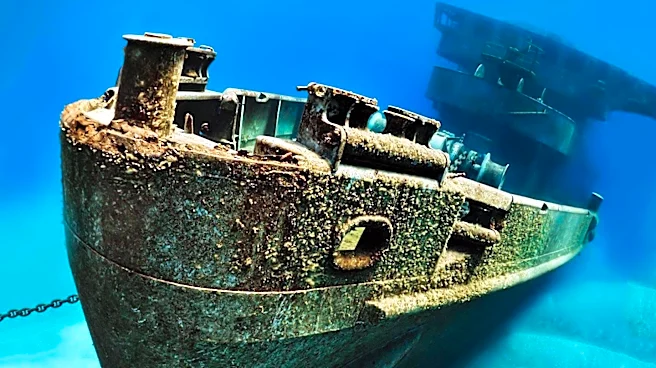
The Andrea Doria's wreck now lies on the ocean floor, a somber reminder of the risks of sea travel. The disaster prompted changes in maritime regulations, particularly concerning radar use and ship design. The story of the Andrea Doria remains a poignant chapter in maritime history, illustrating both the dangers of the sea and the resilience of human spirit in the face of disaster.