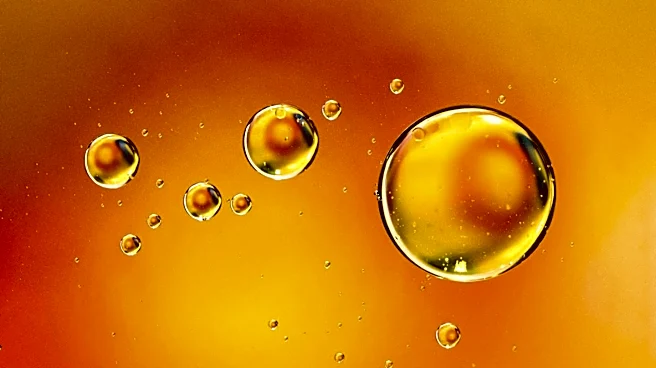








Emulsions are mixtures of two or more immiscible liquids, such as oil and water, that are stabilized by emulsifiers. These mixtures are part of a broader class of two-phase systems known as colloids. Emulsions can be categorized into different types based on the arrangement of the dispersed and continuous phases. Understanding the types of emulsions and the factors affecting their stability is crucial in various applications, from food production
to pharmaceuticals. This article delves into the different types of emulsions and the elements that influence their stability.
Types of Emulsions
Emulsions are typically classified into two main types: oil-in-water and water-in-oil emulsions. In an oil-in-water emulsion, oil droplets are dispersed in water, while in a water-in-oil emulsion, water droplets are dispersed in oil. These types are determined by the solubility of the emulsifier used, with water-soluble emulsifiers forming oil-in-water emulsions and oil-soluble emulsifiers forming water-in-oil emulsions.
More complex emulsions, such as water-in-oil-in-water and oil-in-water-in-oil, also exist, offering unique structures and properties. These multiple emulsions are used in specialized applications where specific characteristics are required, such as controlled release of active ingredients in pharmaceuticals.
Factors Affecting Emulsion Stability
The stability of an emulsion is influenced by several factors, including the type of emulsifier used, the volume fraction of the phases, and the droplet size. Emulsifiers stabilize emulsions by reducing the surface tension between the phases, preventing the separation of the liquids over time. The choice of emulsifier is crucial in determining the final structure and stability of the emulsion.
Droplet size also plays a significant role in emulsion stability. Smaller droplets tend to be more stable, as they have a larger surface area relative to their volume, allowing for better interaction with the emulsifier. Additionally, the concentration of the emulsifier and the method of mixing can affect the stability, with high-shear techniques often used to create stable emulsions.
Applications and Challenges
Emulsions are used in various industries, including food, cosmetics, and pharmaceuticals, where stability is essential for product effectiveness. In food production, emulsions are used to create products like mayonnaise and salad dressings, where texture and consistency are crucial. In cosmetics, emulsions help create products with specific textures and stability.
Despite their widespread use, emulsions can present challenges, such as the difficulty in removing surfactants from the final product. Innovations in emulsification processes aim to address these challenges, developing methods that reduce costs and environmental impact.
Overall, understanding the types and stability of emulsions is vital in creating effective and sustainable products across different industries. By exploring the factors that influence emulsion stability, we can develop innovative solutions that meet the needs of various applications.