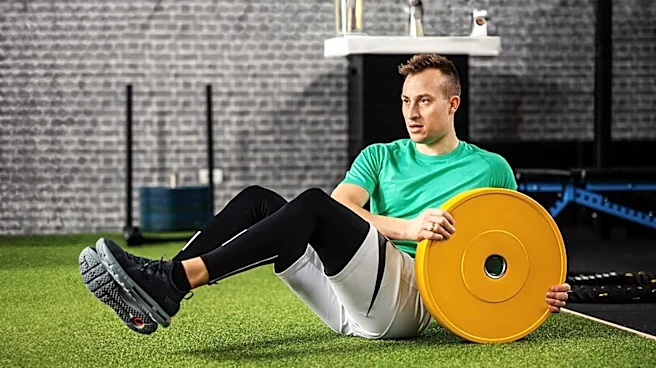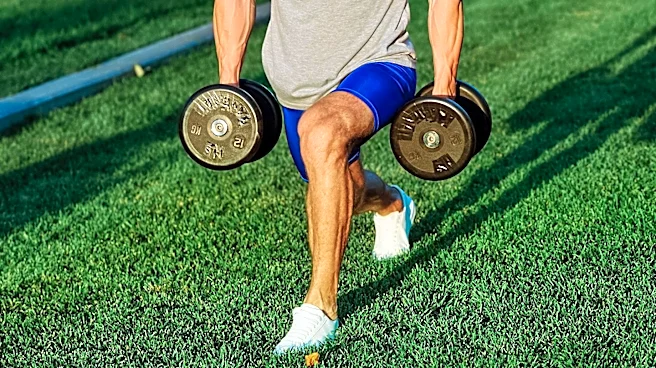

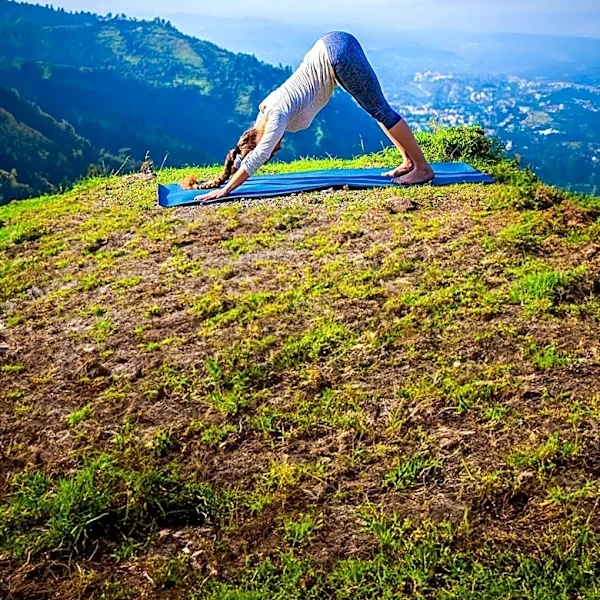

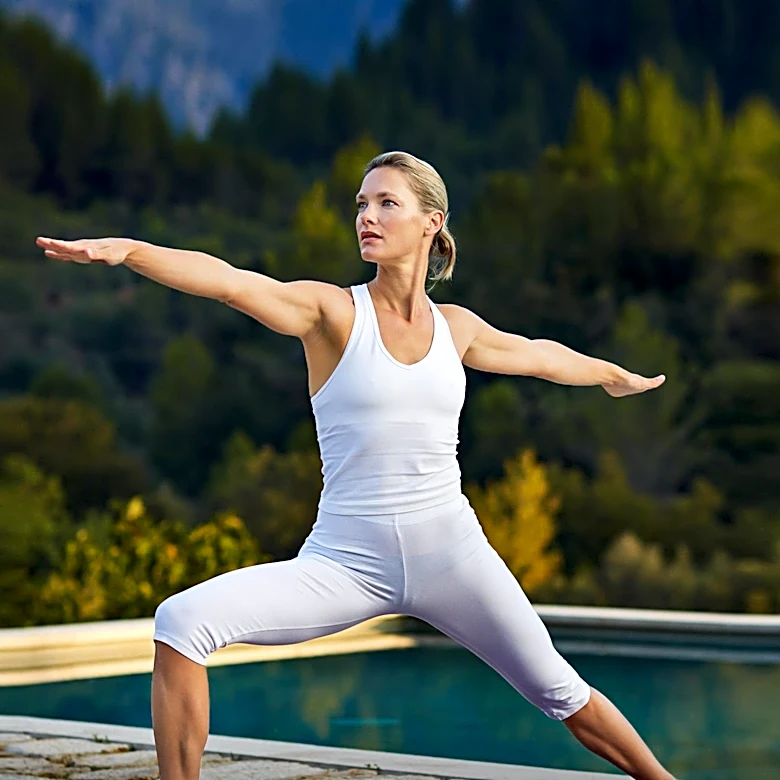



The lunge is a fundamental exercise that involves positioning one leg forward with the knee bent and the foot flat on the ground, while the other leg is placed behind. This versatile movement is widely adopted by athletes for cross-training, by weight-trainers as a fitness exercise, and by yoga practitioners as part of an asana regimen. Its simplicity makes it accessible for beginners, yet its effectiveness in strengthening various muscle groups is significant.
Unlike a split squat, the lunge actively engages the rear leg, contributing to a more comprehensive lower body workout.
Core Mechanics and Muscle Engagement
The lunge is recognized for its ability to strengthen, sculpt, and build several key muscles and muscle groups. These include the quadriceps, which are the muscles located on the front of the thighs, the gluteus maximus, commonly known as the buttocks, and the hamstrings, found on the back of the thighs. The specific emphasis on these muscles can vary depending on the lunge's form. For instance, a long lunge tends to place more emphasis on the gluteals, while a shorter lunge primarily targets the quadriceps.
This exercise is a foundational movement that can be performed using only bodyweight, making it highly adaptable for different fitness levels and environments. Its effectiveness stems from the unilateral nature of the movement, meaning it works one side of the body at a time, which can help address muscle imbalances and improve overall stability.
Variations and Progression for Increased Difficulty
While the basic lunge is effective on its own, weight trainers often seek to increase its difficulty to further challenge their muscles and promote growth. This can be achieved through several methods. One common approach is to incorporate dumbbells or kettlebells, holding one in each hand during the exercise. Another option is to use a barbell, which can be held atop the neck and shoulders. However, when using dumbbells, grip strength might become a limiting factor, leading some practitioners to prefer the barbell lunge for a more focused lower body workout.
Beyond adding external weight, plyometric lunges, also known as split squat jumps, offer a dynamic variation. These involve explosively jumping between lunge positions, adding a cardiovascular and power-training element to the exercise. It's important to note that with resistance training, performing forward lunges in place is generally not recommended due to the potential shear force it can place on the rear knee once the front leg no longer provides support.
The High Lunge in Yoga Practice
Within the context of yoga, a specific variation known as the High Lunge, or sometimes Crescent Moon Pose, is practiced. This pose involves a lunge with both the knee and hands raised, similar in form to Virabhadrasana I (Warrior I) but performed on the ball of the back foot. The High Lunge is considered more challenging than Anjaneyasana (Low Lunge) because it demands a greater degree of both strength and balance from the practitioner. To assist with this, the pose can be modified by using a chair. This can involve holding the back of the chair with outstretched hands for support, or by resting the back of the front thigh on the chair seat, providing stability and reducing the intensity of the balance requirement. This adaptability allows individuals of varying skill levels to engage with the benefits of the High Lunge.