






Tomatoes are the primary ingredient in a vast array of sauces, and their inherent characteristics make them exceptionally well-suited for this culinary purpose. The fruit's natural composition contributes significantly to the ease and appeal of creating tomato-based sauces. These qualities allow for a rich flavor profile and a desirable texture, often without the need for external thickening agents.
Natural Attributes for Sauce Consistency
One of the key attributes of tomatoes is their high
water content. This allows them to break down easily during cooking, releasing their liquids and forming a base for the sauce. Coupled with their soft flesh, tomatoes readily yield to the cooking process, transforming from solid fruit into a smooth or chunky liquid consistency. This natural breakdown is crucial for achieving the desired texture in many sauces.
Furthermore, tomatoes possess a unique composition that enables them to thicken into a sauce when stewed. This natural thickening occurs without the necessity of adding traditional thickeners such as roux, which is a mixture of fat and flour, or masa, a corn-based dough. This self-thickening property simplifies the sauce-making process, allowing the natural flavors of the tomato to shine through without being masked by other ingredients primarily added for texture.
Flavor Profile and Culinary Versatility
Beyond their textural advantages, tomatoes offer a rich flavor that is highly prized in cooking. This robust taste forms the backbone of countless dishes across various cuisines. Whether used as a base for Italian pasta, a component in Mexican salsas, or an ingredient in stews, the distinctive flavor of tomatoes is a central element. This rich flavor, combined with their ability to form a sauce, makes them incredibly versatile.
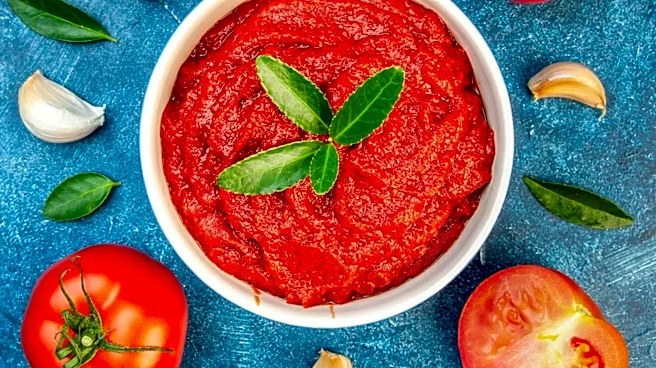
Tomato sauce typically has a thinner consistency compared to more concentrated tomato products like tomato paste or tomato purée. However, these more concentrated forms can also be incorporated into tomato sauces as ingredients, allowing for adjustments in thickness and intensity of flavor. This flexibility means that a cook can achieve a wide range of sauce consistencies and flavor depths, all starting from the fundamental properties of the tomato itself. The ease with which tomatoes can be transformed into a sauce, coupled with their appealing taste, underscores why they are such a fundamental ingredient in global cuisine.