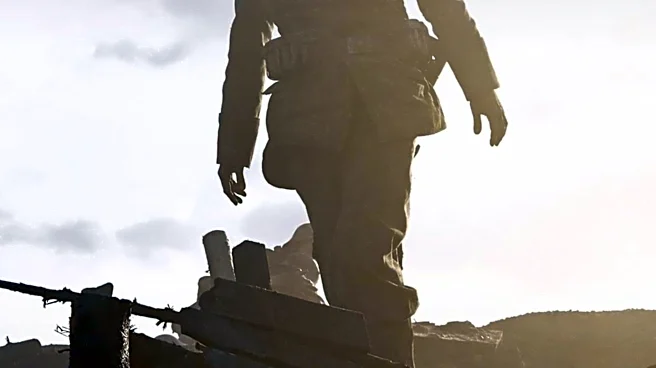




The Battle of Saipan, a critical engagement in the Pacific War, was not only a military confrontation but also a human tragedy. Fought from June 15 to July 9, 1944, the battle resulted in significant military and civilian casualties. The island's capture by American forces marked a turning point in the war, but it came at a high human cost, affecting both soldiers and civilians.
Military Casualties and Combat Conditions
The Battle of Saipan was one of the most intense and costly battles in the Pacific
Theater. The American forces faced fierce resistance from the Japanese defenders, who were well-fortified with trenches, pillboxes, and artillery. The U.S. troops suffered over 2,000 casualties on the first day alone, primarily due to artillery and mortar fire.
The Japanese forces, numbering nearly 32,000, were determined to defend the island at all costs. The battle saw the use of brutal tactics, including banzai charges, which resulted in high casualties on both sides. By the end of the battle, the Japanese military had suffered devastating losses, with only a few hundred soldiers surviving the final assault.
The Civilian Impact
Saipan was unique in the Pacific War as it was the first island where U.S. forces encountered a substantial Japanese civilian population. Approximately 26,000 to 28,000 civilians lived on the island, primarily working in the sugar industry. These civilians, many of whom were Japanese subjects from Okinawa and Korea, were caught in the crossfire of the battle.
The presence of civilians added a tragic dimension to the conflict. Many civilians were killed during the fighting, and others were coerced into committing suicide by the Japanese military, who spread propaganda about the brutal treatment they would receive from the Americans. The battle resulted in at least 8,000 civilian deaths, highlighting the severe human cost of the conflict.
Long-term Consequences
The aftermath of the Battle of Saipan had lasting effects on both the military and civilian populations. For the Japanese, the loss of Saipan was a significant blow to their defensive strategy and morale. It forced the Japanese government to inform its citizens for the first time that the war was not going well, leading to political upheaval and the resignation of Prime Minister Hideki Tōjō.
For the American forces, the battle underscored the challenges of island warfare and influenced future military planning. The high casualty rates prompted the U.S. to reconsider its strategies for subsequent operations in the Pacific, including the projected invasion of Japan. The Battle of Saipan remains a poignant reminder of the human cost of war and the impact of military conflict on civilian populations.