






Edward Grant Barrow, a name synonymous with the New York Yankees dynasty, had a rich and varied career in baseball long before he became a pivotal figure in the Bronx. Born on May 10, 1868, in Springfield, Illinois, Barrow's journey into professional baseball was preceded by a diverse set of experiences, including a stint as a journalist and a soap salesman. His early life saw his family move from Nebraska to Des Moines, Iowa, after his birth during
a covered wagon trip. Named in honor of Ulysses S. Grant, Barrow's path to baseball leadership was anything but conventional, laying a foundation for the strategic mind that would later shape one of the sport's most iconic franchises.
From Concessions to Minor League Leadership
Barrow's initial foray into the baseball business began with selling concessions at games, a humble start that quickly evolved. He demonstrated an early aptitude for the administrative side of the sport, moving on to purchase and manage minor league baseball teams. His leadership qualities were recognized, leading him to become president of the Atlantic League. These experiences in the minor leagues provided Barrow with invaluable insights into player development, team management, and the financial aspects of running a baseball organization. This hands-on experience would prove crucial in his later, more prominent roles.
Despite his growing involvement, Barrow briefly stepped away from baseball after managing the Detroit Tigers in 1903 and 1904 and returning to the minor leagues. He became disillusioned with the sport and left to manage a hotel, a testament to the unpredictable nature of early baseball careers. However, his passion for the game eventually drew him back. In 1910, Barrow returned to baseball as the president of the Eastern League, signaling his renewed commitment and continued rise through the administrative ranks of the sport.
Managerial Success with the Red Sox
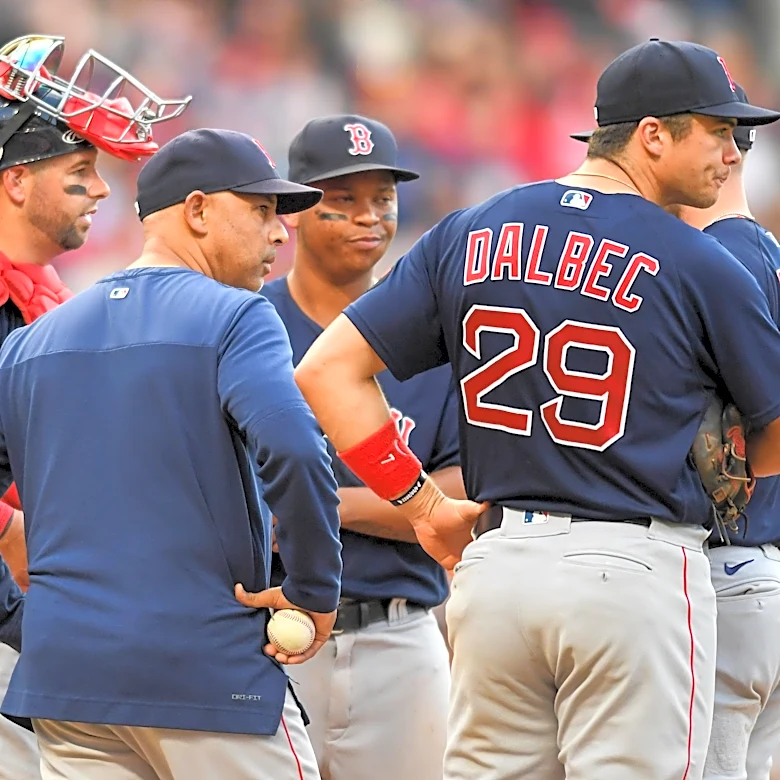
After seven years as president of the Eastern League, Barrow took on a new challenge, becoming the manager of the Boston Red Sox. He led the team from 1918 to 1920, a period that included a significant achievement: guiding the Red Sox to a World Series victory in 1918. This managerial success showcased his ability to lead a major league team to a championship, further solidifying his reputation within baseball.
However, Barrow's tenure with the Red Sox also coincided with a controversial period for the team. Owner Harry Frazee began selling off the team's star players, most notably Babe Ruth. This series of transactions, driven by Frazee's financial needs, ultimately led to the dismantling of a championship-caliber roster. It was amidst this backdrop of change and the sale of key players that Barrow made the decision to leave the Red Sox. His departure paved the way for his move to the New York Yankees, where he would embark on the most impactful chapter of his career, leveraging his extensive experience from his early days in baseball and his successful managerial stint to build a new dynasty.