




John Adams, the second President of the United States, lived a life marked by significant contributions to the founding of the nation. However, his final years were a period of reflection and personal challenges. Adams's later life was characterized by his retirement from public service, his relationship with his family, and his eventual death on a historically significant date.
Retirement and Reflection
After serving as President from 1797 to 1801, John Adams retired to his
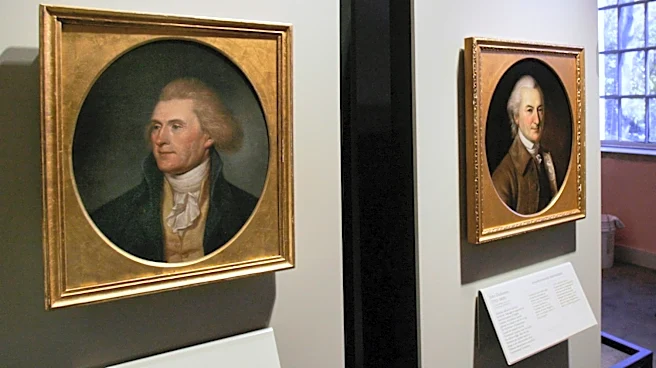
family farm in Quincy, Massachusetts. This period of his life was marked by a withdrawal from the political scene that he had been so deeply involved in. Adams spent much of his time reflecting on his career and the events that had shaped the young nation. Despite his retirement, Adams remained intellectually active, engaging in correspondence with other founding figures, including Thomas Jefferson, with whom he had a complex relationship.
Adams's retirement was not without its challenges. He faced the loss of his son Charles, who died in 1800, a blow that deeply affected him. Despite these personal hardships, Adams continued to engage with the world around him, maintaining a keen interest in the political developments of the United States.
Family and Legacy
John Adams's family played a significant role in his later years. His relationship with his wife, Abigail Adams, was a cornerstone of his life. The couple shared a deep bond, and Abigail's support was crucial during Adams's presidency and beyond. Their correspondence provides a rich insight into their partnership and the times they lived in.
Adams's legacy was also carried on by his son, John Quincy Adams, who followed in his father's footsteps to become the sixth President of the United States. This continuation of public service within the Adams family highlighted the enduring influence of John Adams's values and beliefs.
Death on a Historic Day
John Adams passed away on July 4, 1826, the 50th anniversary of the Declaration of Independence, a document he had been instrumental in drafting. His death on such a significant date added a layer of historical poignancy to his passing. Remarkably, Thomas Jefferson, his long-time friend and political rival, died on the same day.
Adams's death marked the end of an era, as he was one of the last surviving signers of the Declaration of Independence. His contributions to the founding of the United States and his role in shaping its early years left an indelible mark on the nation's history. Adams's life and legacy continue to be studied and celebrated as a testament to his dedication to the principles of liberty and governance.