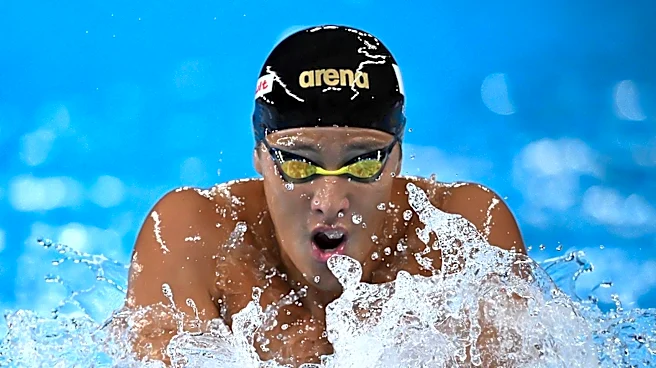








The men's 100-meter breaststroke event was a significant part of the swimming competitions at the 1972 Olympic Games. This particular race unfolded over two days, from August 29 to August 30, in the state-of-the-art Schwimmhalle, located within the Olympiapark in Munich. As an Olympic swimming event, it adhered to specific rules and measurements, showcasing the athletic prowess of the competitors in this demanding stroke. The structure of the race,
from preliminary heats to the final, was designed to identify the top performers in this challenging discipline.
The Venue and Event Structure
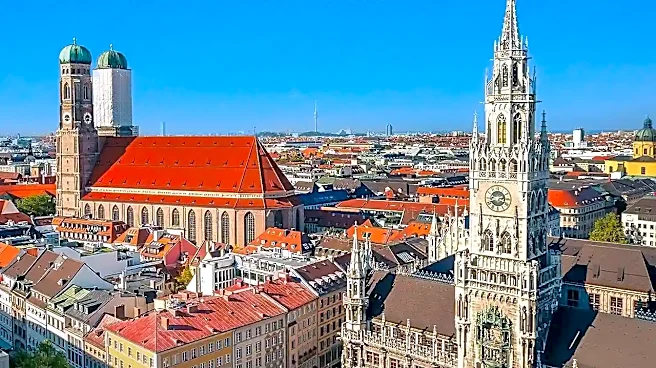
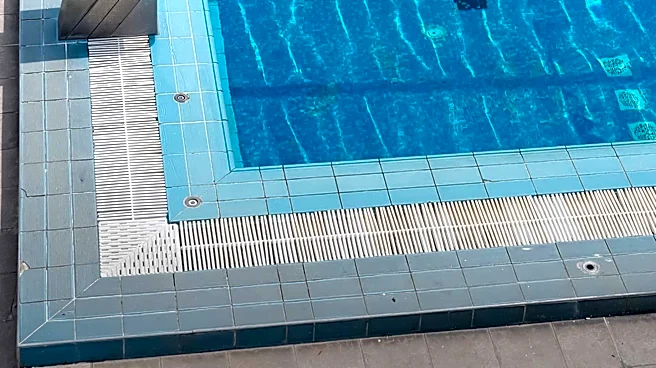
The Schwimmhalle, situated in Olympiapark, Munich, served as the aquatic center for the 1972 Summer Olympics. This venue provided the stage for numerous swimming events, including the men's 100-meter breaststroke. The event itself was structured to progress through several stages, beginning with heats, followed by semifinals, and culminating in the final race. This multi-stage format is typical for Olympic swimming, allowing a large field of athletes to compete and gradually narrow down to the medal contenders.An Olympic-size swimming pool, by definition, measures 50 meters in length. Consequently, the men's 100-meter breaststroke race required swimmers to complete two lengths of the pool. This distance, combined with the breaststroke technique, demands a unique blend of power, endurance, and precise timing from the athletes. The event's schedule, spanning two consecutive days, ensured that swimmers had adequate recovery time between the demanding preliminary rounds and the decisive final.
The Breaststroke Discipline
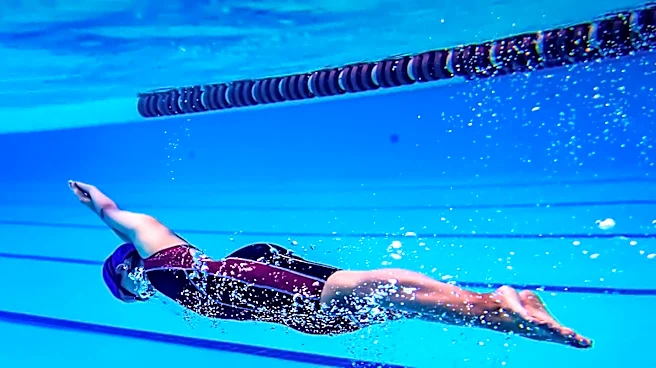
The breaststroke is one of the four competitive swimming strokes, characterized by its distinct underwater pull and kick. Unlike freestyle, where swimmers can choose any stroke, breaststroke requires a specific set of movements for both the arms and legs. The 100-meter distance in this stroke is considered a sprint event, emphasizing explosive power and efficient technique over sustained endurance, though both are crucial.Competitors in the men's 100-meter breaststroke at the 1972 Games would have focused on maintaining a strong, consistent stroke rate and a powerful whip kick. The start and turns are also critical components of success in a 100-meter race, as even fractions of a second can make a difference in the final standings. The event's inclusion in the Olympic program highlights its importance in competitive swimming and its long-standing tradition within the sport.