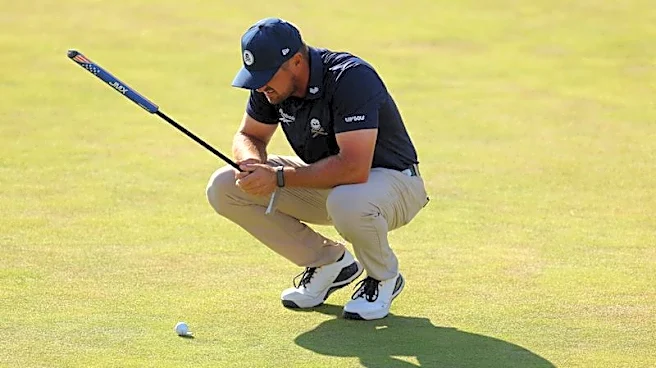







The U.S. Open is one of the most prestigious golf tournaments in the world, with a rich history dating back to its inception in 1895. Over the years, it has evolved into a major championship that attracts the best golfers from around the globe. This article explores the historical development of the U.S. Open, highlighting key milestones and its significance in the world of golf.
The Early Years
The U.S. Open was established in 1895, with Horace Rawlins winning the
inaugural championship. Organized by the United States Golf Association (USGA), the tournament quickly gained prominence in the golfing world. However, it faced interruptions during World War I and World War II, with no championships held from 1917 to 1918 and 1942 to 1945.
Despite these interruptions, the U.S. Open continued to grow in stature. It became known for its challenging courses and rigorous competition, attracting top golfers from both the United States and abroad. The tournament's early years set the foundation for its future as a major championship.
Growth and Prestige
As the U.S. Open gained popularity, it became one of the four major championships in golf, alongside the Masters Tournament, the Open Championship (British Open), and the PGA Championship. Winning the U.S. Open not only brought prestige but also provided significant benefits to the champions. U.S. Open winners receive a gold champion's medal, the U.S. Open Championship Cup, and various exemptions, including invitations to the other three majors for the next five years.
The tournament has seen many legendary golfers claim victory, including Bobby Jones, who won the U.S. Open four times. Other notable champions include Willie Anderson, Ben Hogan, and Jack Nicklaus, each with four victories. The U.S. Open has also been a stage for record-breaking performances, such as Rory McIlroy's lowest aggregate score in 2011.
Modern Era and Legacy
In the modern era, the U.S. Open continues to be a highlight of the golfing calendar. It is currently the third of the four major championships played each year. The tournament's format and challenging courses test the skills and resilience of the world's best golfers.
The U.S. Open's legacy is further enriched by its role in shaping the careers of many golfers. Champions earn a ten-year exemption from qualifying for the U.S. Open and receive membership on the PGA Tour for the following five seasons. The tournament's history and prestige make it a coveted title for any golfer.
The U.S. Open's evolution from its humble beginnings to a major championship reflects its enduring significance in the world of golf. Its rich history, challenging courses, and prestigious status continue to captivate golf enthusiasts and players alike.