






Kuala Lumpur, the capital city of Malaysia, has a rich history that reflects its transformation from a small settlement to a bustling metropolis. This article delves into the historical evolution of Kuala Lumpur, highlighting key milestones and changes that have shaped the city over the years. From its early days as a tin mining town to its current status as a major economic hub, Kuala Lumpur's journey is a testament to its resilience and growth.
Early Beginnings
Kuala Lumpur's origins can be traced back to the 1820s when it was known as Pengkalan Lumpur, meaning "muddy landing place." This name was later corrupted into Kuala Lumpur. The city was initially a tin-producing settlement located at the confluence of the Gombak and Klang rivers. Despite its humble beginnings, Kuala Lumpur quickly became an important center for tin mining, attracting settlers and traders from various regions.
The strategic location of Kuala Lumpur at the confluence of two rivers made it an ideal spot for trade and commerce. As the tin industry flourished, the settlement grew, and infrastructure began to develop. The construction of roads and railways facilitated the movement of goods and people, further boosting the city's growth.
Becoming the Capital
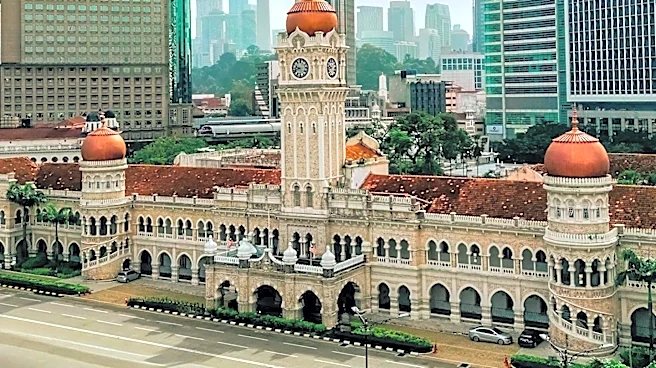
In 1896, Kuala Lumpur was declared the capital of the Federated Malay States, marking a significant turning point in its history. This designation brought increased investment and development to the city. The colonial government invested in infrastructure projects, including the construction of government buildings and public facilities.
The early 20th century saw Kuala Lumpur's transformation into a modern city. The introduction of electricity, telecommunication systems, and public transportation improved the quality of life for its residents. The city's population continued to grow, and new neighborhoods and commercial areas emerged to accommodate the influx of people.
Modernization and Expansion
The post-independence era marked a period of rapid modernization and expansion for Kuala Lumpur. In 1974, the city was carved out from the state of Selangor to become a Federal Territory, allowing for more focused development efforts. This change facilitated the construction of iconic landmarks such as the Petronas Twin Towers, which became symbols of Malaysia's economic progress.
Kuala Lumpur's skyline transformed as high-rise buildings and modern infrastructure projects reshaped the cityscape. The development of the Kuala Lumpur City Centre (KLCC) further solidified the city's status as a global economic hub. Today, Kuala Lumpur is a vibrant metropolis that attracts millions of tourists and business travelers each year.
Kuala Lumpur's historical evolution is a story of growth and transformation. From its early days as a tin mining settlement to its current status as a major economic center, the city has continually adapted to changing times. Its rich history and dynamic development make Kuala Lumpur a fascinating city with a unique blend of tradition and modernity.