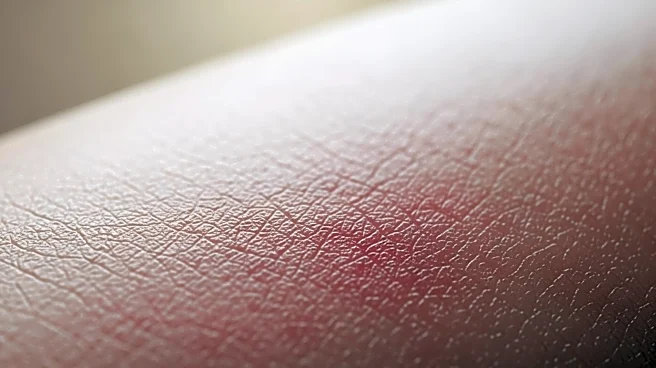











Seborrheic dermatitis is a common skin condition that affects many people worldwide. Characterized by flaky, scaly, and sometimes itchy skin, it primarily targets areas rich in oil-producing glands such as the scalp, face, and chest. While the exact cause of seborrheic dermatitis remains unclear, several factors are believed to contribute to its development. This article delves into the causes and symptoms of seborrheic dermatitis, providing a comprehensive
overview of this persistent skin disorder.
Causes of Seborrheic Dermatitis
The underlying causes of seborrheic dermatitis are not fully understood, but it is believed to involve a combination of genetic and environmental factors. One significant factor is the presence of Malassezia yeast on the skin. These fungi thrive in oily environments and are thought to play a role in the condition's development. The yeast can trigger an inflammatory response, leading to the symptoms associated with seborrheic dermatitis.
In addition to Malassezia, other factors such as hormonal changes, stress, and immune system dysfunction can exacerbate the condition. Individuals with compromised immune systems, such as those with HIV or Parkinson's disease, are particularly susceptible to seborrheic dermatitis. Environmental factors, including seasonal changes and climate, may also influence the severity of symptoms.
Symptoms of Seborrheic Dermatitis
Seborrheic dermatitis manifests as oily, yellowish, flaky skin, often accompanied by redness and inflammation. The condition can appear on both oily and dry skin, with flakes ranging from fine and loose to thick and adherent. It commonly affects the scalp, where it can resemble dandruff, and may lead to temporary hair loss in some cases.
The symptoms of seborrheic dermatitis can vary in intensity and duration. While some individuals experience mild symptoms that persist for weeks, others may face recurrent bouts that last for years. In severe cases, the condition can spread to other areas of the body, including the face, ears, and chest.
Impact on Daily Life
Seborrheic dermatitis can have a significant impact on an individual's quality of life. The visible symptoms may lead to social or self-esteem issues, particularly when they affect prominent areas like the face. The itching and discomfort associated with the condition can also interfere with daily activities and sleep.
Managing seborrheic dermatitis often requires a combination of treatments, including antifungal creams and shampoos, to alleviate symptoms and prevent flare-ups. While the condition is not contagious, its persistent nature can be challenging for those affected. Understanding the causes and symptoms of seborrheic dermatitis is crucial for effective management and improving the quality of life for those living with this skin disorder.