

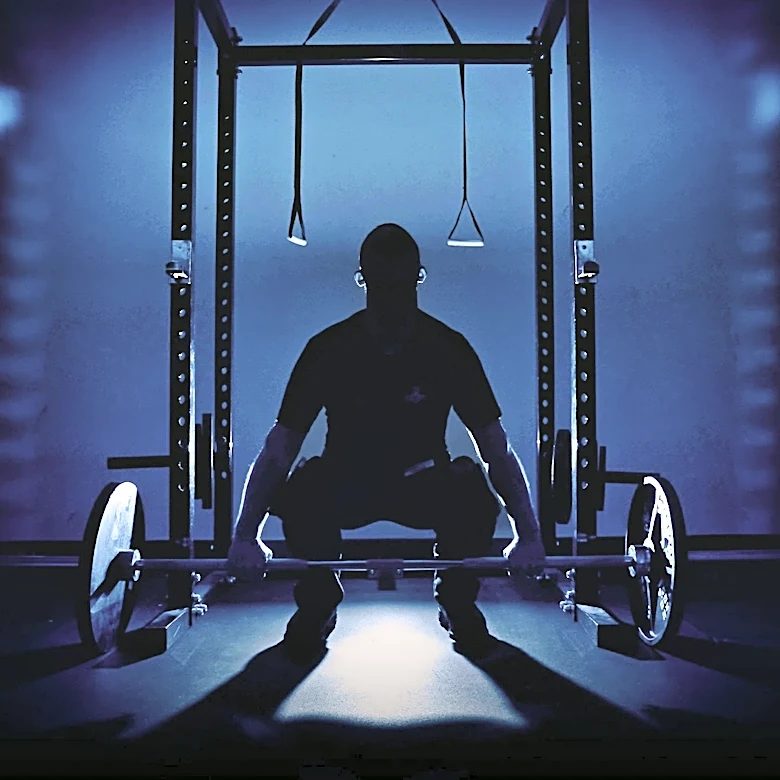

Powerlifting, a competitive strength sport focused on maximal weight in the squat, bench press, and deadlift, has a rich history rooted in earlier forms of weightlifting. Originating in the United States in the 1950s, it evolved from a sport known as "odd lifts." These early competitions shared the three-attempt format familiar today but featured a much wider array of events, akin to strongman competitions. Over time, these diverse odd lifts became
standardized, leading to the specific three lifts that define modern powerlifting.
The Birth of a Standardized Sport
Before its standardization, powerlifting's precursors, the "odd lifts," were recognized by weightlifting governing bodies in both the United Kingdom and the United States. These bodies sanctioned various lifts for competition and record-keeping purposes. The transition from these varied events to the specific squat, bench press, and deadlift marked a crucial turning point. This standardization allowed for a more focused and comparable competitive environment, setting the stage for the sport's formal organization.
The formal establishment of powerlifting as a distinct sport was solidified with the formation of the International Powerlifting Federation (IPF) in November 1972. This global governing body was instrumental in regulating and promoting the sport worldwide. The inaugural IPF World Championships took place in York in November 1973, drawing 47 entrants from several countries, including 34 American athletes. This event was a significant milestone, showcasing the sport's growing international appeal and laying the groundwork for future global competitions.
International Growth and Key Milestones
The early years of the IPF saw rapid expansion and the introduction of new competitive structures. In 1974, teams were selected in advance for the first time, and the 52-kilogram weight class was introduced, further refining the competitive framework. The following year, in 1975, the World Championships were held outside America for the first time, in Birmingham, hosted by Vic Mercer, signaling the sport's increasing international reach.
The establishment of the IPF also spurred the creation of regional federations, such as the European Powerlifting Federation (EPF) in May 1977. Recognizing the close association with bodybuilding, where women had been competing for years, powerlifting opened its doors to female athletes. The first U.S. national championships for women were held in 1978, and the IPF officially added women's competition in 1980, making the sport more inclusive.
The Rise of Federations and Drug Testing
In the United States, the Amateur Sports Act of 1978 mandated that each Olympic or potential Olympic sport have its own national governing body by November 1980. This led to the formation of the USPF in 1980 as the new national governing body for American powerlifting, as the AAU lost control of amateur sports. However, the sport soon faced internal divisions, particularly concerning drug testing.
In 1981, the American Drug Free Powerlifting Association (ADFPA), led by Brother Bennett, broke away from the USPF, advocating for effective drug testing. The IPF introduced drug testing in 1982, though the USPF championships that year did not include it. This push for drug testing was met with resistance from some American lifters, leading to the formation of the American Powerlifting Federation (APF) in 1982 by Larry Pacifico and Ernie Frantz, which openly opposed drug testing. Over the years, various federations emerged, some offering both drug-tested and untested categories, reflecting different philosophies within the sport. The USPF was eventually expelled from the IPF in 1997, with the ADFPA (now USA Powerlifting) taking its place, though it has since been replaced by Powerlifting America. Despite these divisions, some efforts have been made to unify the sport, such as 100% RAW promoting unequipped competition and merging with Anti-Drug Athletes United (ADAU) in 2013, and the Revolution Powerlifting Syndicate (RPS) breaking the tradition of charging lifters membership fees in addition to entry fees for each competition.