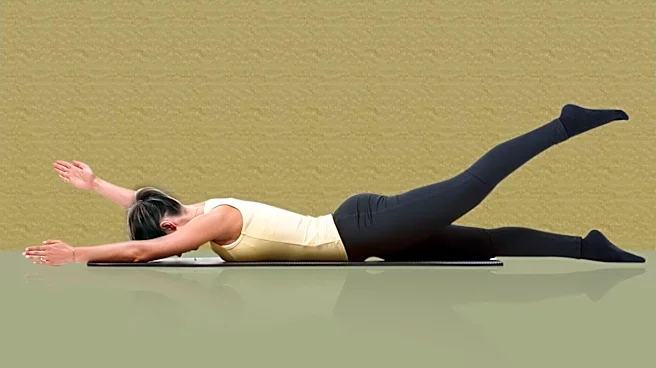







The back extension, often referred to as a hyperextension, is a highly effective exercise for strengthening the lower back, as well as the mid and upper back muscles. This exercise primarily targets the erector spinae, a group of muscles crucial for spinal support and movement. While the name might sound intimidating, the exercise involves a controlled extension of the spine from a forward-bent position. Proper technique and the right equipment are
essential for maximizing its benefits and ensuring safety, making it a valuable addition to any strength training regimen.
The Role of the Roman Chair in Back Extensions
One of the most common and effective pieces of equipment for performing back extensions is the Roman chair. This specialized apparatus is designed to support the lower body, allowing the exerciser to bend forward at the hips and then extend their torso backward. The Roman chair provides stability and helps isolate the muscles of the lower back, buttocks, and hamstrings, which are all engaged during the movement. Its design ensures that the hips are the pivot point, facilitating a full range of motion for the spinal extension.
When using a Roman chair for hyperextensions, the body is positioned so that the hips are at the pivot point, and the feet are secured. The exercise begins with the body bent forward at the hips, lowering the torso towards the floor. This initial phase stretches the erector spinae and prepares them for contraction. The subsequent action involves lifting the body to straighten the back, returning to a position where the body forms a straight line from head to heels. This controlled upward movement is where the primary work of the erector spinae occurs, building strength and endurance in these vital back muscles.
Progressive Resistance and Proper Form
For individuals starting with back extensions, bodyweight alone can provide substantial resistance. The act of lifting the torso against gravity is often sufficient to challenge the muscles, especially for beginners. As strength increases, the exercise can be made more challenging by incorporating additional weight. This can be done by holding a weight plate or dumbbell to the chest. The closer the weight is held to the body, the less leverage it creates, making the exercise slightly easier. Conversely, holding the weight further away from the body, or higher up, increases the resistance.
It is crucial to begin with lighter weights or just bodyweight to prevent straining the back muscles. Over-exertion, particularly in the initial stages, can lead to discomfort or injury. A gradual progression is key: start with a comfortable resistance, focus on maintaining proper form, and only increase the weight or resistance when the current level can be performed with good control and without undue strain. The goal is to achieve a full, controlled range of motion, ensuring that the back muscles are doing the work, rather than relying on momentum.
Beyond the Lower Back: Engaging Supporting Muscles
While the hyperextension exercise is primarily known for targeting the lower back and erector spinae, it also engages other important muscle groups. The buttocks (gluteus maximus) and hamstrings play a significant role in the hip extension component of the movement. As the torso is lifted, these muscles assist in bringing the body back to the straight-line position. This makes the back extension a compound exercise that contributes to overall posterior chain strength.
Furthermore, the exercise can indirectly engage the core muscles for stabilization. Maintaining a rigid torso throughout the movement requires activation of the abdominal muscles to prevent excessive arching or twisting. By focusing on a smooth, controlled motion and engaging the entire core, individuals can enhance the effectiveness of the hyperextension, leading to a stronger, more resilient back and a more stable core.