

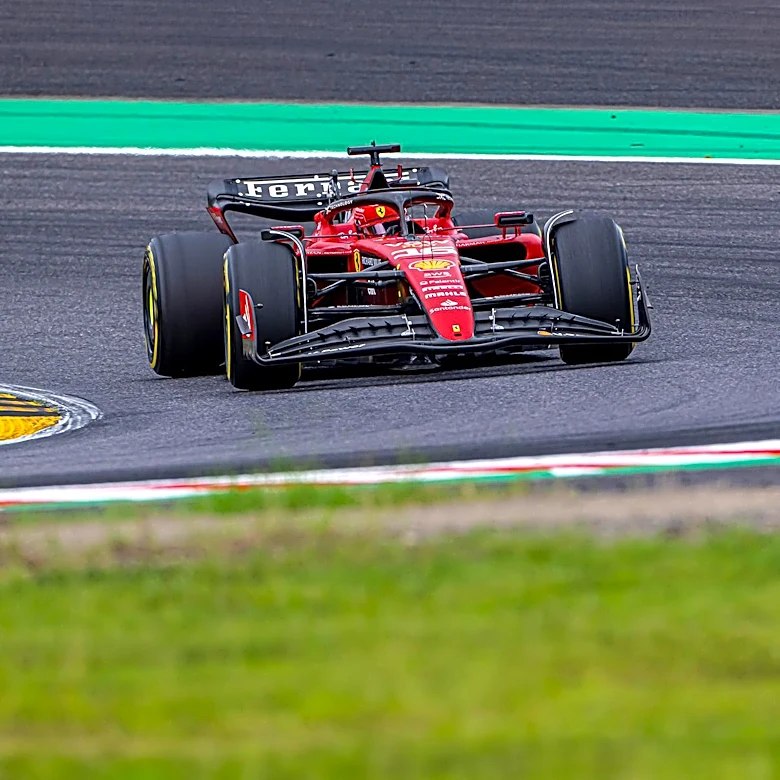

The Circuit de Barcelona-Catalunya, located in Montmeló, Spain, is a renowned motorsport track that has undergone significant changes since its inception. Known for hosting major events like Formula One and MotoGP, the circuit has evolved in response to both technological advancements and safety concerns. This article delves into the historical development of the circuit, highlighting key milestones and modifications that have shaped its current form.
Early Beginnings and Construction
The idea for a permanent racing circuit in Catalonia was first proposed in 1986, when the Parliament of Catalonia unanimously approved a motion to study the creation of a new speed circuit. The construction of the Circuit de Barcelona-Catalunya began on February 24, 1989, with the collaboration of the Generalitat de Catalunya, the Ayuntamiento de Montmeló, and the Real Automóvil Club de Catalunya. The circuit was officially opened on September 10, 1991, marking the beginning of a new era in Spanish motorsport.
The inaugural event at the circuit was the Spanish Touring Car Championship, which took place just five days after the official opening. The circuit quickly gained prominence, hosting the Spanish Grand Prix in 1991, which had previously been held at the Circuito de Jerez. This marked the return of Formula One to Catalonia after a 15-year hiatus.
Modifications and Safety Improvements
Over the years, the Circuit de Barcelona-Catalunya has seen numerous modifications aimed at improving safety and enhancing the racing experience. One significant change occurred in 2007, when a slow chicane was introduced to reduce speeds through the final corner, addressing concerns about serious accidents. However, this modification was criticized for failing to improve overtaking opportunities and causing congestion during qualifying sessions.
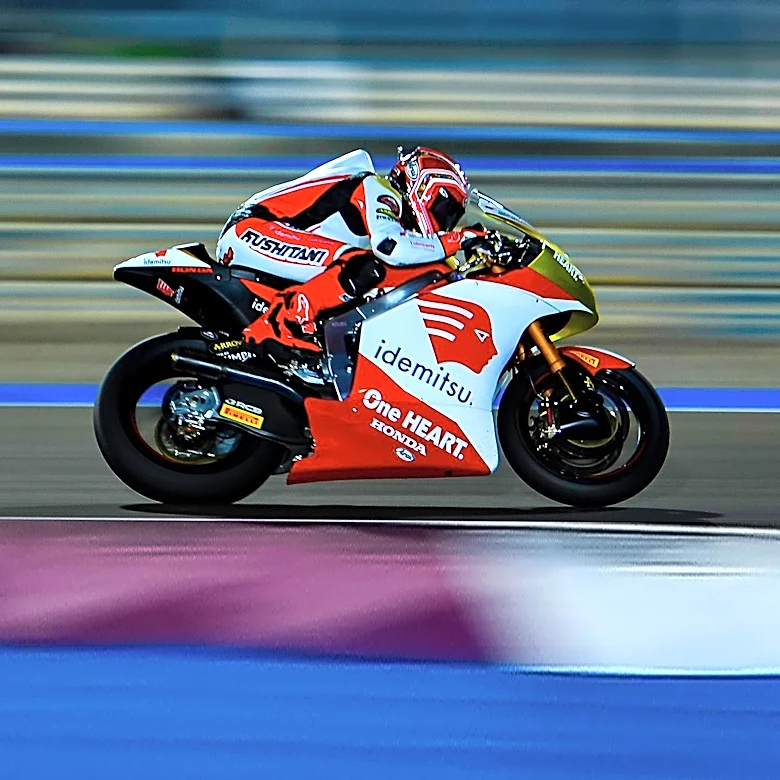
In 2016, following a tragic accident involving Moto2 rider Luis Salom, the circuit layout was altered to match the Formula One configuration. This change was made to enhance safety for motorcycle races, and further adjustments were made in subsequent years to improve the track's safety features.
Recent Developments and Sustainability Efforts
In recent years, the Circuit de Barcelona-Catalunya has focused on sustainability and environmental responsibility. The track has achieved a 3-star FIA Environmental Accreditation and ISO 14001 certification, ranking as one of the most sustainable racetracks globally. These efforts reflect a growing commitment to reducing the environmental impact of motorsport events.
The circuit's layout continues to evolve, with changes made in 2023 to align with the MotoGP configuration used since 2021. These modifications aim to enhance the racing experience while maintaining high safety standards. As the circuit looks to the future, it remains a key player in the world of motorsport, hosting prestigious events and contributing to the sport's ongoing development.