



Torque vectoring is a significant advancement in automotive technology, allowing for improved handling and stability in vehicles. This technology has evolved over the years, becoming a staple in modern all-wheel drive and some front-wheel drive vehicles. By varying the torque to each wheel, torque vectoring enhances a vehicle's grip and performance, especially during challenging driving conditions.
Early Developments and Initial Implementations
The concept of torque vectoring began gaining traction
in the automotive industry as manufacturers sought ways to improve vehicle handling and stability. Initially, differentials in vehicles were purely mechanical, but the introduction of electronic systems allowed for more precise control over torque distribution. This marked a significant shift in how vehicles could be engineered to handle various driving conditions.
In 1996, the Honda Prelude became one of the first vehicles to feature a torque vectoring system known as the Active Torque Transfer System (ATTS). This system was designed to counteract the natural tendency of front-engine, front-wheel-drive vehicles to understeer. By varying the torque between the front wheels, the ATTS improved the Prelude's handling, setting a precedent for future developments in torque vectoring technology.
Advancements in All-Wheel Drive Systems
As technology advanced, torque vectoring became more prevalent in all-wheel drive vehicles. These systems are more complex than their front or rear-wheel drive counterparts due to the need to distribute power across all four wheels. The ability to vary torque between the front and rear wheels, as well as between individual wheels, allows for enhanced traction and stability.
Honda's development of the Super Handling All-Wheel-Drive (SH-AWD) system in 2004 is a prime example of how torque vectoring has been integrated into all-wheel drive systems. This system improved upon the ATTS by increasing torque to the outside wheels during cornering, further enhancing vehicle handling. Such advancements have made torque vectoring a critical component in the design of high-performance and luxury vehicles.
The Role of Torque Vectoring in Modern Vehicles
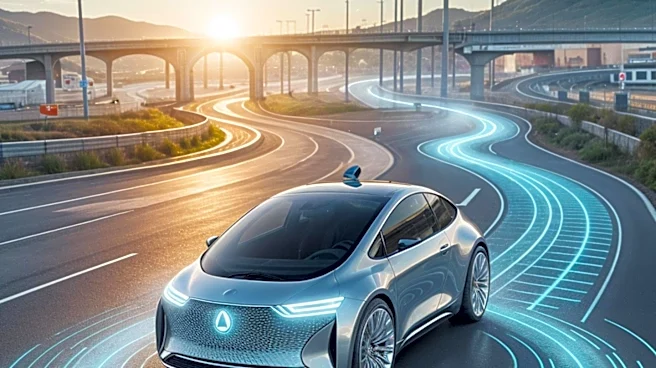
Today, torque vectoring is a common feature in many high-end vehicles, providing drivers with improved control and safety. The technology has expanded beyond traditional combustion engine vehicles to include electric vehicles, where torque vectoring can be achieved through the use of multiple electric motors. This allows for even more precise control over power distribution, enhancing the driving experience.
The continued evolution of torque vectoring technology highlights its importance in the automotive industry. As manufacturers strive to create vehicles that offer superior performance and safety, torque vectoring remains a key innovation that enhances the driving experience. Its development over the years underscores the industry's commitment to leveraging technology to meet the demands of modern drivers.