






Pancakes are a beloved dish enjoyed in various forms across the globe. From the thin crepes of France to the fluffy American stacks, pancakes have a universal appeal that transcends cultural boundaries. This article explores the diverse variations of pancakes found worldwide, highlighting their unique ingredients and cultural significance.
European Pancake Traditions
In Europe, pancakes take on many forms, each with its own distinct characteristics. In France, the crepe is a popular
choice, known for its thin and delicate texture. Made from plain flour, milk, and eggs, crepes can be served with sweet fillings like fruit and chocolate or savory options such as cheese and ham. In Germany, pancakes are known as Pfannkuchen and are typically thicker than crepes, often served with sweet or savory fillings.
In Eastern Europe, pancakes are a staple in many cuisines. In Russia and Ukraine, blini are thin pancakes made from wheat or buckwheat flour, often served with sour cream, caviar, or jam. These pancakes have a rich history, dating back to pagan traditions where they symbolized the sun. In Hungary, palacsinta are similar to crepes and can be filled with a variety of sweet or savory ingredients, including jam, walnuts, or cottage cheese.
Asian Pancake Varieties
Asia offers a wide array of pancake variations, each reflecting the region's culinary traditions. In Japan, okonomiyaki is a savory pancake made from flour, eggs, and cabbage, often topped with a variety of ingredients like seafood or pork. Another Japanese favorite is dorayaki, a sweet pancake sandwich filled with red bean paste.
In China, pancakes are typically made with dough rather than batter, resulting in a thicker texture. These pancakes can be savory or sweet, often served with scallions or hot and sour sauce. In Korea, pancakes like buchimgae and jeon are popular, made with a variety of ingredients such as vegetables, seafood, or meat, and served as side dishes or snacks.
Pancakes in the Americas
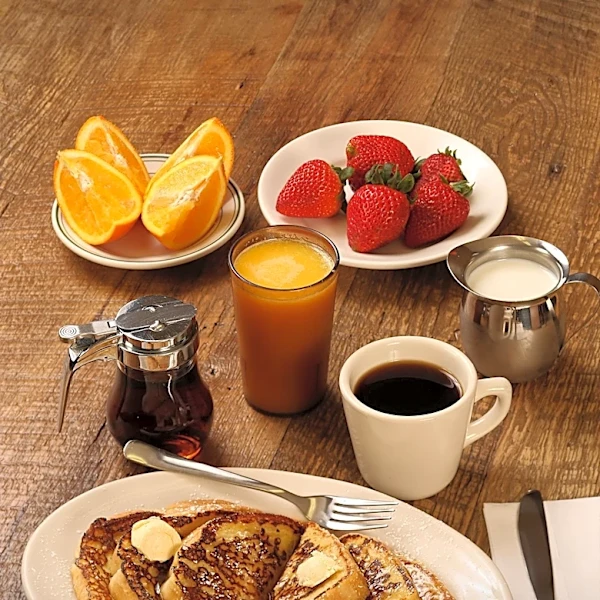
In North America, pancakes are a breakfast staple, often served in stacks with butter and maple syrup. American pancakes are known for their fluffy texture, achieved by using a leavening agent like baking powder. Variations include buttermilk pancakes, which have a slightly tart flavor, and blueberry pancakes, which incorporate fresh or frozen berries into the batter.
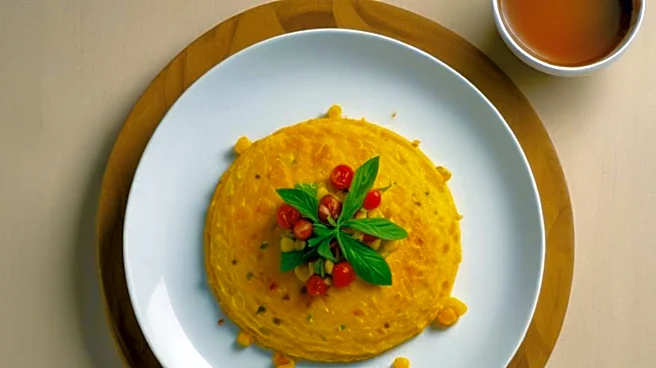
In South America, pancakes take on different forms. In Brazil, panquecas are typically made with cow's milk and wheat flour, filled with savory ingredients like seasoned chicken or ground beef, and topped with Parmesan cheese. In Venezuela, cachapas are corn pancakes, often served with cheese or meat fillings.
African and Middle Eastern Pancakes
In Africa, pancakes are enjoyed in various forms. In Ethiopia and Eritrea, injera is a staple flatbread with a spongy texture, made from teff flour and served with stews or salads. In Somalia and Yemen, lahoh is a similar pancake, often eaten with honey or ghee.
In the Middle East, pancakes are often made with chickpea flour, as seen in the popular street food known as farinata in Mediterranean regions. These pancakes are seasoned with black pepper and served as a savory snack.
Pancakes, in their many forms, are a testament to the creativity and diversity of global cuisines. Whether enjoyed as a sweet treat or a savory meal, pancakes continue to bring people together, celebrating the rich tapestry of culinary traditions around the world.