




Screen printing, a technique that has stood the test of time, continues to play a significant role in both industry and art today. Known for its versatility and ability to produce vibrant, detailed images, screen printing is used in a wide range of applications, from commercial products to fine art. This article explores how screen printing is utilized in modern industry and art, highlighting its enduring relevance and adaptability.
Industrial Applications of Screen Printing
In the industrial
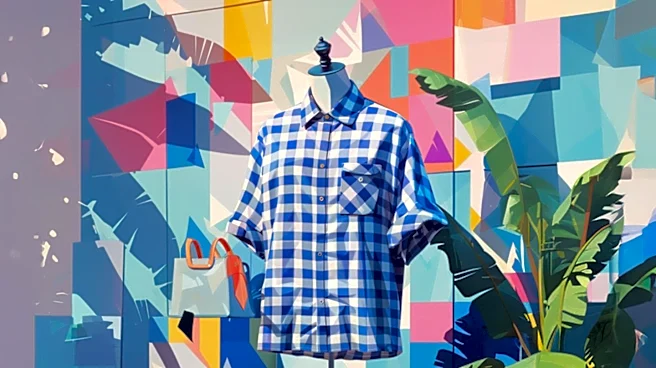
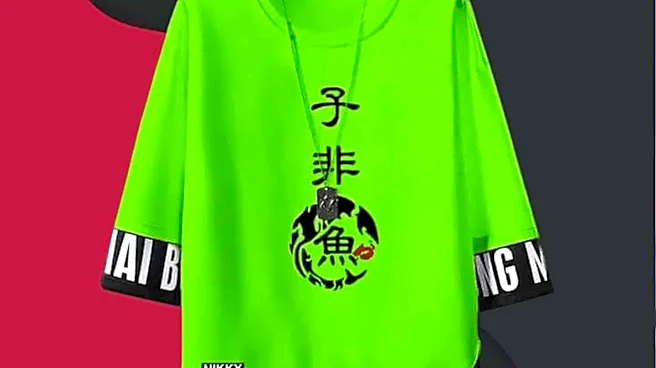
sector, screen printing is valued for its ability to print on a variety of materials, including textiles, ceramics, glass, and metals. This versatility makes it an ideal choice for producing everything from t-shirts and posters to electronic circuit boards and solar cells. The technique's ability to produce durable, high-quality prints has made it a staple in manufacturing processes across various industries.
One of the key advantages of screen printing in industry is its cost-effectiveness, especially for large production runs. The process allows for the efficient production of multiple copies of a design, making it a popular choice for mass production. Additionally, the development of digital hybrid screen printing has further enhanced the technique's capabilities, allowing for greater customization and precision in industrial applications.
Screen Printing as an Artistic Medium
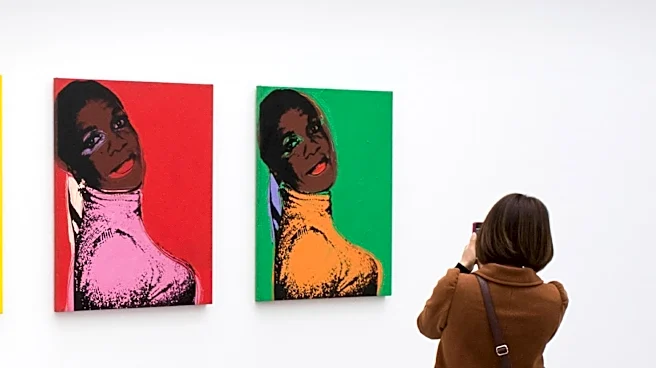
Screen printing has also made a significant impact in the art world, where it is used by artists to create unique and expressive works. The technique's ability to produce bold, vibrant colors and intricate details has made it a favorite among artists seeking to push the boundaries of traditional printmaking. Notable artists like Andy Warhol and Roy Lichtenstein have used screen printing to create iconic pieces that have left a lasting mark on the art world.
The accessibility and affordability of screen printing materials have also contributed to its popularity among artists. The technique's DIY nature allows artists to experiment with different inks, meshes, and substrates, resulting in a wide range of creative possibilities. This flexibility has made screen printing a popular choice for both established and emerging artists looking to explore new artistic avenues.
The Future of Screen Printing
As technology continues to advance, screen printing is poised to remain a vital part of both industry and art. The integration of digital technology with traditional screen printing methods has opened up new opportunities for innovation and customization, allowing for even greater precision and creativity in the printing process.
Whether used to produce commercial products or create works of art, screen printing's versatility and adaptability ensure its continued relevance in the modern world. As artists and manufacturers continue to explore the possibilities of this time-honored technique, screen printing will undoubtedly remain a key player in both industry and art for years to come.