







A newspaper is more than just a collection of news stories; it is a carefully constructed periodical publication with specific characteristics that define its form and function. From the type of paper it's printed on to the variety of content it delivers, and the technological processes behind its creation, each element contributes to its identity. Understanding the anatomy of a newspaper reveals the intricate balance between informing, entertaining,
and advertising, all packaged in a format designed for regular consumption. This exploration delves into the physical attributes, content diversity, and the evolution of production methods that bring a newspaper to life.
Physical Characteristics and Formats
At its most basic, a newspaper is a lightweight and disposable publication, typically printed on low-cost paper known as newsprint. This choice of material reflects its ephemeral nature, designed to be read and discarded. Newspapers can be general-interest, covering a wide array of topics, or of special interest, focusing on specific subjects. They are published with varying frequencies, from daily to weekly, biweekly, monthly, bimonthly, or quarterly, catering to different news cycles and reader demands.Newspapers are also produced in a variety of physical formats, including broadsheet and tabloid. These formats dictate the size and layout of the pages, influencing how content is presented and consumed. Beyond print, the industry has evolved to include online versions, which can be stand-alone digital publications or online counterparts to printed periodicals. This digital shift has introduced new ways of presenting news, allowing for more timely updates and interactive elements, while still retaining the core function of a newspaper.
Diverse Content and Editorial Structure
General-interest newspapers serve as journals of current news across a multitude of topics. These typically include political events, crime reports, business news, sports coverage, and opinion pieces, which can take the form of editorials, columns, or political cartoons. Many also incorporate weather news and forecasts, providing practical information for daily life. To enhance engagement, newspapers increasingly use photographs to illustrate stories and often include entertainment features such as comic strips and crosswords.The content within a newspaper is broadly divided into editorial content and advertising. Editorial content encompasses all news articles, features, and opinion pieces. The space available for editorial content is directly influenced by the amount of advertising sold, as advertising typically occupies a significant portion of the publication. This interplay between editorial and advertising is a fundamental aspect of a newspaper's structure, with the business model often relying on advertising to subsidize the cost of production and distribution.
Production Evolution: From Letterpress to Digital
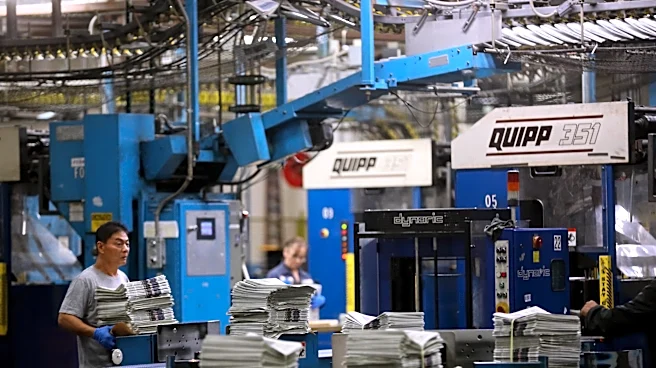
The production of newspapers has undergone significant technological revolutions. Historically, newspapers were produced using lower-quality letterpress printing. However, since the 1980s, the industry has largely transitioned to higher-quality, four-color process offset printing. This advancement allowed for better image reproduction and the inclusion of vibrant color photographs and graphics, enhancing the visual appeal of newspapers.Further revolutionizing the production process has been the integration of desktop computers, word processing software, graphics software, digital cameras, and digital prepress and typesetting technologies. These tools have streamlined every stage of newspaper creation, from writing and editing to layout and printing. The ability to produce innovative layouts and better designs has transformed the aesthetic quality of newspapers. Moreover, these technological advancements have facilitated the seamless transition to digital publishing, enabling newspapers to prepare stories for print, online platforms, and even video, often with a single reporter handling multiple formats. This continuous adaptation of production methods underscores the industry's commitment to efficiency and quality in delivering news.