






The Combined Charging System (CCS) is a pivotal technology in the electric vehicle (EV) industry, offering a comprehensive solution for charging needs. This article provides an in-depth look at the components and functionality of CCS, highlighting its significance in the EV landscape.
Components of the Combined Charging System
The CCS is designed to accommodate both AC and DC charging, making it a versatile choice for EV manufacturers and consumers. It comprises two main configurations: CCS1
and CCS2. CCS1 is primarily used in North America, while CCS2 is prevalent in Europe. Each configuration extends existing couplers—Type 1 for CCS1 and Type 2 for CCS2—allowing for seamless integration with existing infrastructure.
The system's design includes additional contacts that support specific functions relevant to EV charging. These contacts ensure that power is only supplied when a vehicle is properly connected and immobilized, enhancing safety and reliability. The CCS's ability to support high-power fast charging, up to 500 kW, is a testament to its advanced engineering and adaptability.
Functionality and Communication Protocols
A key feature of the CCS is its use of communication protocols to facilitate efficient charging. The system employs Power Line Communication (PLC) according to IEC 61851-24 Annex C and ISO 15118-3 standards. These protocols enable the exchange of information between the vehicle and the charging station, ensuring optimal charging conditions.
The communication protocols also play a crucial role in managing the charging process. They allow the system to adjust the charging current based on the vehicle's requirements, preventing overcharging and ensuring the longevity of the battery. This intelligent management of the charging process is one of the reasons why CCS has become a preferred choice for many automakers.
The Impact of CCS on the EV Industry
The introduction of CCS has had a profound impact on the EV industry, driving the adoption of electric vehicles by providing a reliable and efficient charging solution. Its compatibility with both AC and DC charging has made it a standard feature in many new EV models, facilitating the transition to electric mobility.
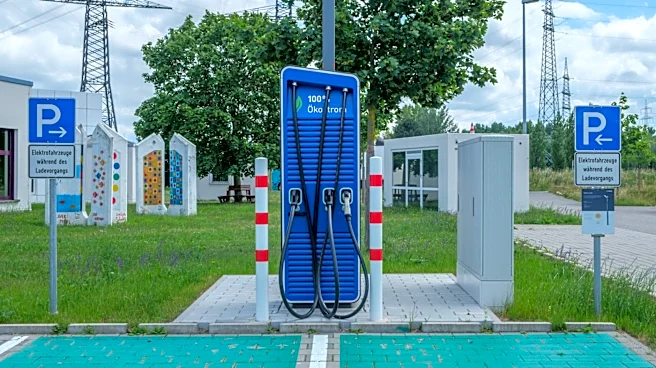
Moreover, the global adoption of CCS has encouraged the development of a robust charging infrastructure, with many public charging stations now equipped with CCS connectors. This widespread availability has alleviated range anxiety among EV users, making electric vehicles a more viable option for everyday use.
In conclusion, the Combined Charging System represents a significant advancement in EV technology. Its comprehensive design and functionality have set a new standard for charging solutions, paving the way for a more sustainable and electrified future.