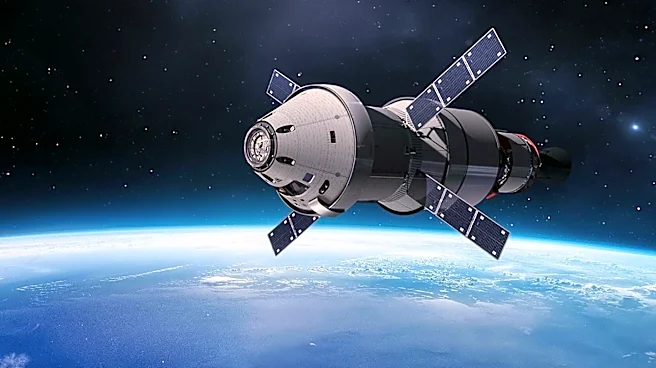

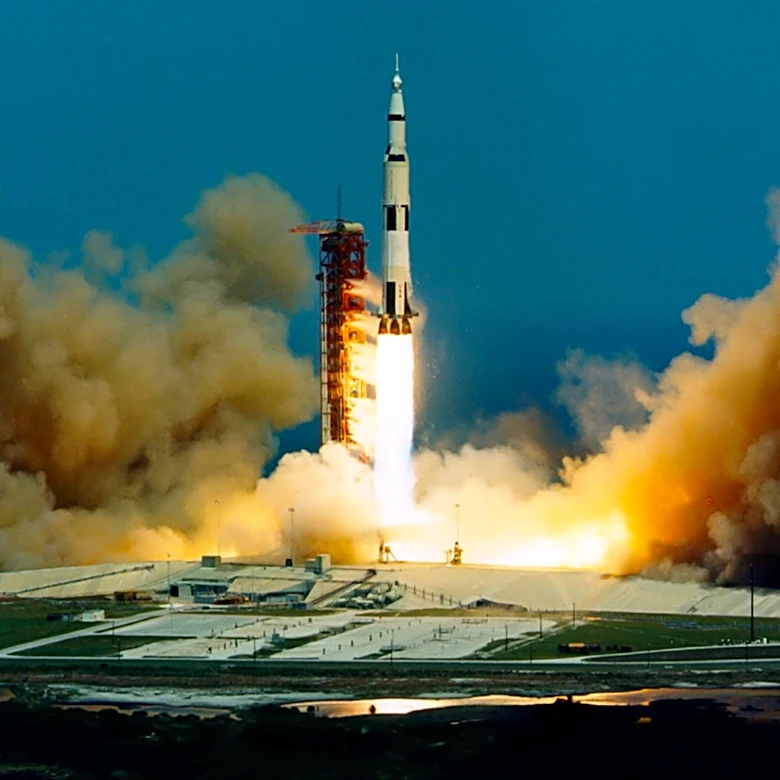




Apollo 7 marked a pivotal moment in American space exploration, serving as the first crewed mission in NASA's Apollo program. This flight was particularly significant as it was also the first crewed U.S. space mission following the tragic Apollo 1 incident. The success of Apollo 7 was crucial for validating the redesigned Apollo spacecraft and paving the way for future lunar missions. It demonstrated the capabilities of the command and service module
in Earth orbit, a vital step before attempting a journey to the Moon.
The Crew and Their Unique Roles
The mission was commanded by Walter M. Schirra, an experienced astronaut for whom this would be his third and final spaceflight. Schirra's leadership was instrumental in navigating the complexities of this inaugural crewed mission. Alongside him were Donn F. Eisele, who served as the Command Module Pilot, and R. Walter Cunningham, the Lunar Module Pilot. For both Eisele and Cunningham, Apollo 7 represented their only journey into space, making their contributions to this foundational mission particularly noteworthy. Their roles were critical in testing the spacecraft's systems and procedures.
Mission Insignia: A Symbol of Earth-Orbital Achievement
The insignia for the Apollo 7 flight was carefully designed to reflect the mission's objectives and achievements. It featured a command and service module with its Service Propulsion System (SPS) engine firing. The trail from this engine encircled a globe, extending past the edges of the patch. This visual element symbolized the Earth-orbital nature of the mission, clearly indicating that the flight's primary focus was on operations within Earth's orbit rather than a lunar journey. The Roman numeral VII, representing Apollo 7, was prominently placed in the South Pacific Ocean area of the globe on the patch.
Identifying the Crew on the Emblem
Further personalizing the mission insignia, the names of the crew members—Schirra, Eisele, and Cunningham—appeared on a wide black arc positioned at the bottom of the patch. This detail not only honored the astronauts but also served as a clear identifier for the specific mission. The design of this emblem was attributed to Allen Stevens of Rockwell International, highlighting the collaborative effort between NASA and its contractors in all aspects of the space program, from spacecraft development to mission branding. The insignia became a lasting symbol of the successful first crewed flight of the Apollo program.
The Importance of the Lunar Module Pilot Role
While Apollo 7 did not carry a Lunar Module, the designation of R. Walter Cunningham as the Lunar Module Pilot (LMP) was significant. This title was the official designation for the third pilot position in Block II missions, regardless of whether the Lunar Module spacecraft was physically present. This foresight in crew designation underscored the program's long-term goals, even as early missions focused on testing the command and service modules. It indicated the future integration of the Lunar Module into the mission profile, preparing the crew structure for the eventual lunar landing attempts. The roles assigned to the crew members on Apollo 7 were thus a blend of immediate operational needs and strategic planning for the ambitious objectives ahead.