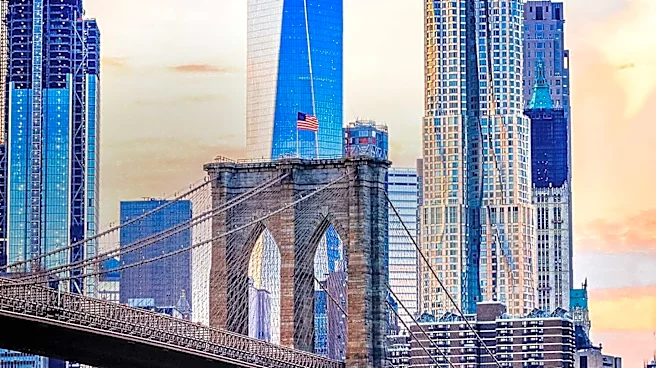





One World Trade Center, the tallest building in the Western Hemisphere, is a masterpiece of modern architecture and engineering. Its design and construction reflect a blend of innovation, resilience, and homage to the past. Rising from the site of the original World Trade Center, the new tower is a symbol of renewal and a testament to the architectural prowess of its creators.
Design and Planning
The design of One World Trade Center was a collaborative effort led by architect
David Childs of Skidmore, Owings & Merrill. The initial design process was marked by debates and revisions, as stakeholders sought to balance aesthetic appeal with security and functionality. The final design, unveiled in 2005, features a sleek, tapering form that culminates in a spire, reaching a symbolic height of 1,776 feet.
The tower's design incorporates elements of sustainability and resilience. Its base is a fortified concrete structure, designed to withstand potential threats, while the glass facade reflects the sky, creating a sense of openness. The building's interior is equipped with state-of-the-art technology, including energy-efficient systems and advanced safety features.
Construction Milestones
Construction of One World Trade Center began in 2006, following years of planning and negotiation. The process was complex, involving the relocation of underground utilities and the construction of a robust foundation. By 2012, the tower had surpassed the height of the Empire State Building, becoming the tallest structure in New York City.
The tower's steel structure was topped out in August 2012, and the final component of its spire was installed in May 2013, bringing the building to its full height. The construction process was a feat of engineering, requiring precision and coordination among various teams. The building officially opened in November 2014, marking a significant milestone in the redevelopment of the World Trade Center site.
A Modern Marvel
One World Trade Center is not only an architectural marvel but also a symbol of resilience and renewal. Its design pays homage to the original Twin Towers while incorporating modern elements that reflect the city's forward-looking spirit. The building houses a mix of office spaces, retail areas, and the One World Observatory, offering panoramic views of New York City.
The tower's completion has transformed Lower Manhattan into a vibrant hub of business and culture. It stands as a testament to the city's ability to rebuild and innovate, serving as a beacon of hope and a reminder of the past. As visitors and tenants fill its spaces, One World Trade Center continues to inspire and captivate, embodying the spirit of New York City.