





The Chief Wahoo logo, once a prominent symbol of the Cleveland Indians baseball team, became the focal point of a protracted and intense controversy. For many Native Americans, the logo was not merely a cartoonish depiction but a deeply offensive caricature that perpetuated harmful stereotypes. Its cultural significance, particularly the feather depicted, was highlighted by social science research, underscoring why its continued use was so contentious.
The debate surrounding Chief Wahoo illustrates the complex interplay between tradition, identity, and the evolving understanding of cultural sensitivity in public representation.
The Derogatory Nature of Chief Wahoo
The primary objection to Chief Wahoo stemmed from its perceived derogatory nature. Many Native Americans found the logo to be a demeaning and stereotypical representation of their culture. Critics argued that the exaggerated features and cartoonish style reduced Native American identity to a caricature, stripping away dignity and promoting harmful generalizations. This perspective was consistently voiced by activist groups, who saw the logo as a symbol of disrespect rather than a tribute.
Despite these strong objections, former owners Richard Jacobs and Larry Dolan initially expressed no intention of changing the logo. Their stance reflected a segment of the fanbase and public that viewed Chief Wahoo as a beloved tradition, often without fully grasping the depth of offense it caused. This disconnect between the team's historical attachment to the logo and the Native American community's perception fueled the controversy for decades, making it a persistent point of contention.
Cultural Significance and Activism
The controversy surrounding Chief Wahoo was not just about a drawing; it was deeply rooted in cultural significance. Social science research played a role in articulating why elements like the feather in the logo held particular importance and why their stereotypical depiction was problematic. For Native American communities, such symbols are often imbued with spiritual and historical meaning, and their appropriation or misrepresentation can be profoundly disrespectful.
Activism was central to bringing these concerns to the forefront. Groups such as the Cleveland American Indian Movement and the Committee of 500 Years of Dignity and Resistance consistently campaigned against the logo. Their efforts included protests, educational initiatives, and direct engagement with the team and league officials. This sustained pressure was instrumental in raising public awareness and eventually compelling Major League Baseball to intervene in the matter, recognizing the validity of the cultural objections.
The Phasing Out and Legacy of Chief Wahoo
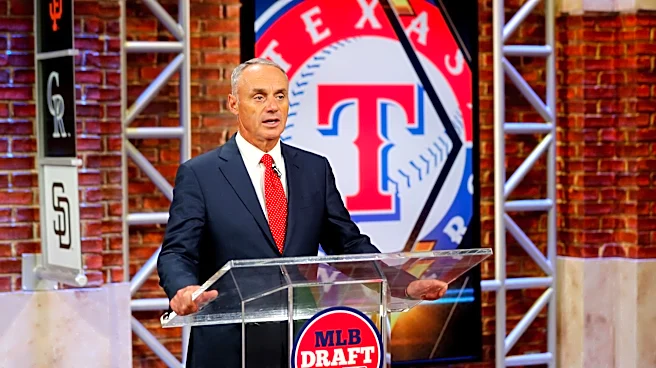
The persistent activism and growing public awareness eventually led to significant changes regarding Chief Wahoo. In 2018, under pressure from MLB Commissioner Rob Manfred, the team announced it would stop using Chief Wahoo on uniforms. While the team retained the trademark and continued to sell merchandise, this decision marked a pivotal moment in the logo's history. It acknowledged the validity of the criticisms and began the process of phasing out the controversial image from its primary branding.
The ultimate outcome was the team's decision to change its name entirely, becoming the Cleveland Guardians after the 2021 season. This move effectively retired Chief Wahoo from its prominent role in professional baseball. The legacy of Chief Wahoo, therefore, is not just that of a sports logo, but of a powerful symbol that ignited a crucial conversation about cultural representation, respect, and the responsibility of public institutions to address historical injustices and stereotypes.