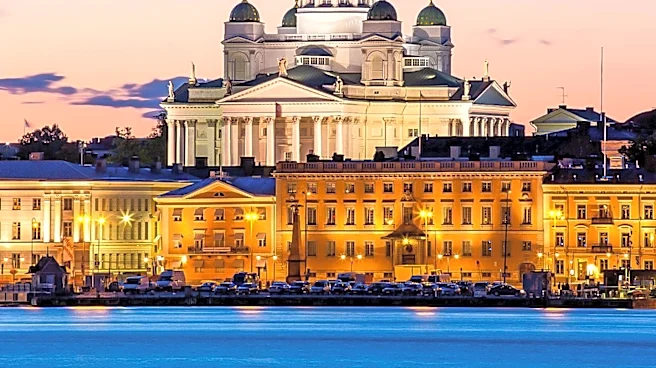







Helsinki, Finland's capital, is renowned for its unique architectural landscape, which blends classicism with modern styles. The city's architecture has been shaped by historical events and influential architects, resulting in a diverse urban environment. This article explores the architectural heritage of Helsinki, highlighting key landmarks and the influences that have defined its skyline.
Classicism and Early Influences
The architecture of Helsinki has been significantly influenced
by classicism, particularly during the 19th century. The city's center, including the Senate Square, was designed by German architect Carl Ludwig Engel. His work established a neoclassical aesthetic that remains a hallmark of Helsinki's architectural identity.
Engel's designs include the main building of the University of Helsinki, the Presidential Palace, and the Helsinki Cathedral. These structures reflect the city's historical ties to the Russian Empire, as Helsinki became the capital of Finland in 1812. The classicism style provided a sense of grandeur and order, aligning with the city's growing importance.
Modern and Mixed Styles
Helsinki's architectural character is a blend of old and new styles. Despite its role as the capital, the city retains many rugged neighborhoods and parks, offering a contrast to its formal architectural landmarks. This mix of styles is evident in areas like the Senate Square, where classicism meets modern urban design.
The city's proximity to the Baltic Sea also contributes to its maritime character, influencing architectural choices. The integration of natural elements with urban design is a recurring theme in Helsinki's development, reflecting the city's connection to its coastal environment.
Notable Landmarks
Helsinki is home to several iconic landmarks that showcase its architectural diversity. The Suomenlinna fortress, originally known as Sveaborg, is a UNESCO World Heritage site that highlights the city's strategic importance. Built in the 18th century, it represents Helsinki's military history and its role in regional defense.
Other notable sites include the Helsinki Cathedral, a symbol of the city's neoclassical roots, and the modernist Finlandia Hall, designed by Alvar Aalto. These landmarks illustrate the city's evolution from a small village to a major European capital, with architecture serving as a testament to its rich history.