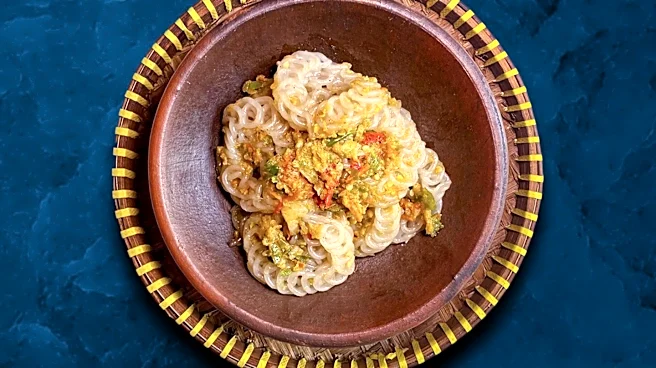










Indonesian cuisine is a vibrant and diverse culinary tradition that reflects the country's rich cultural tapestry. With over 6,000 populated islands and more than 600 ethnic groups, Indonesia offers a wide array of flavors and dishes that are influenced by indigenous cultures as well as foreign influences. From the spicy and savory dishes of Sumatra to the sweet and mild flavors of Java, Indonesian cuisine is a testament to the country's history and its
interactions with the world.
Regional Influences and Diversity
Indonesia's vast archipelago is home to a multitude of regional cuisines, each with its own unique characteristics. Sumatran cuisine, for example, is heavily influenced by Indian and Middle Eastern flavors, featuring dishes like gulai and curry that are rich in spices and coconut milk. The island of Java, on the other hand, offers a more indigenous culinary experience, with dishes that are often sweet and mild, reflecting the Javanese preference for sugar and coconut milk.
In Eastern Indonesia, the cuisine shares similarities with Polynesian and Melanesian traditions, incorporating ingredients like sago and yams. The influence of Chinese cuisine is also evident throughout Indonesia, with dishes like noodles, spring rolls, and meatballs becoming staples in the Indonesian diet. This blend of indigenous and foreign influences creates a culinary landscape that is both diverse and dynamic.
The Role of Spices and Ingredients
Spices play a crucial role in Indonesian cuisine, contributing to the complex flavors that define many of its dishes. The Moluccas Islands, known as the Spice Islands, have historically been a major source of spices like cloves and nutmeg, which have been integral to both Indonesian and global cuisine. Other spices commonly used in Indonesian cooking include turmeric, ginger, lemongrass, and galangal, which are often combined to create rich and aromatic spice mixtures known as bumbu.
Indonesian dishes are known for their bold flavors, often described as savory, hot, and spicy, with a balance of sweet, salty, sour, and bitter tastes. Sambal, a spicy chili sauce, is a staple condiment that accompanies many Indonesian meals, adding heat and depth to the dishes. The use of coconut milk is also prevalent, providing a creamy texture and rich flavor to curries and soups.
National Dishes and Culinary Traditions
Several dishes have become emblematic of Indonesian cuisine, recognized both nationally and internationally. Nasi goreng, a flavorful fried rice dish, is considered one of Indonesia's national dishes and is enjoyed across the country. Other popular national dishes include satay, skewered and grilled meat served with peanut sauce, and rendang, a slow-cooked beef dish that is rich in spices and coconut milk.
Indonesian cuisine is also characterized by its communal dining traditions, where meals are often shared among family and friends. A typical Indonesian meal consists of steamed rice accompanied by a variety of side dishes, including vegetables, meat, and sambal. This communal approach to dining reflects the importance of food in Indonesian culture as a means of bringing people together.
In conclusion, Indonesian cuisine is a reflection of the country's diverse cultural heritage and its history of trade and interaction with other cultures. The rich tapestry of flavors and ingredients found in Indonesian dishes offers a culinary experience that is both unique and deeply rooted in tradition. Whether enjoyed in a bustling street market or a family home, Indonesian cuisine continues to captivate and delight with its vibrant and complex flavors.