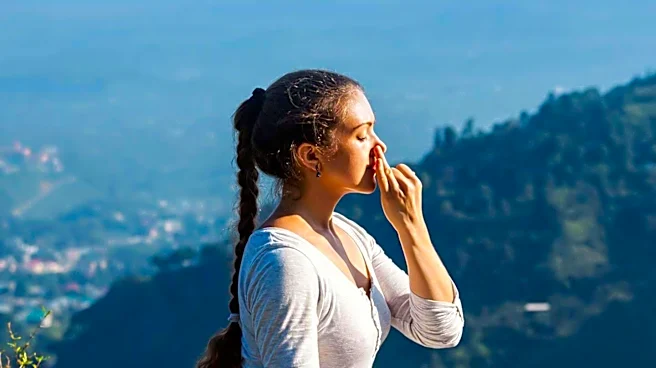

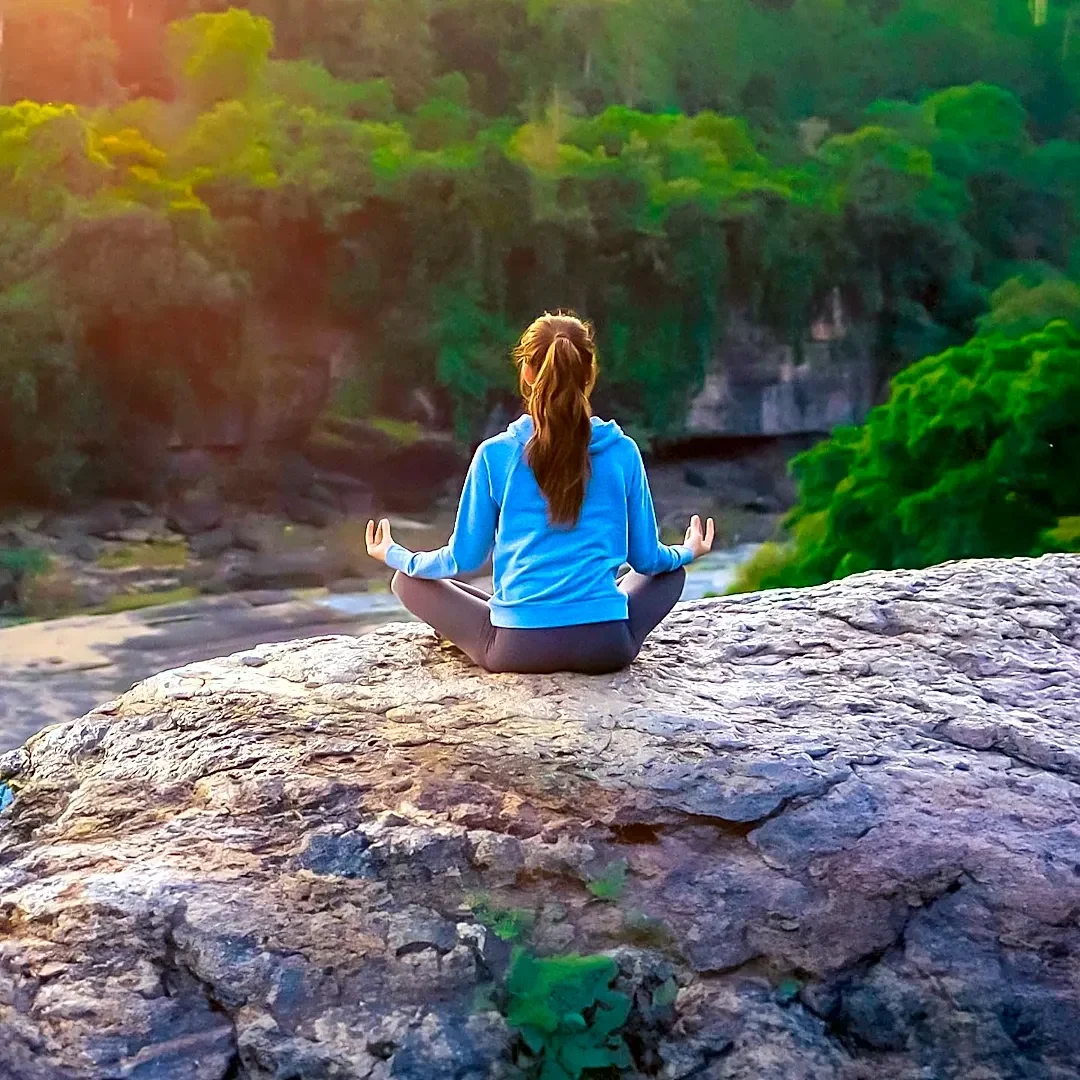
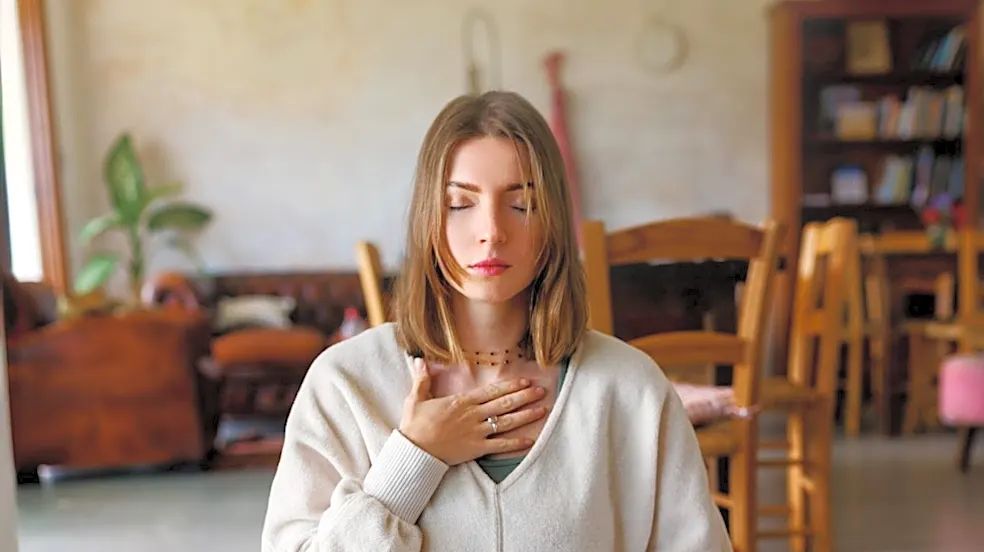

Pranayama is a cornerstone practice in yoga and various spiritual traditions, representing a sophisticated system of techniques designed to accumulate, expand, and work with prana, the vital life force. Far more than simple breathing exercises, pranayama is one of the eight limbs of yoga, involving specific and often intricate methods of breath control. Through systematic practice, the dynamics and laws of prana are understood, allowing practitioners
to gain mastery over this essential energy. These techniques serve a multitude of purposes, from cleansing energetic channels to preparing the mind for deep meditative states, and even generating inner heat in advanced practices.
Techniques and Goals of Pranayama
Many pranayama techniques are specifically designed to cleanse the nadis, which are subtle energy channels within the body. By clearing these pathways, practitioners aim to facilitate a greater and more harmonious movement of prana throughout their system. Other techniques focus on arresting the breath, a practice often employed as a means to achieve samadhi, a state of profound meditative absorption. Additionally, certain pranayama methods are used to bring awareness to specific areas within the practitioner's subtle or physical body, enhancing sensitivity and control over internal processes.In Tibetan Buddhism, pranayama techniques are utilized to generate inner heat, famously in the practice of tummo, which is associated with advanced yogic accomplishments. Within Ayurveda and therapeutic yoga, pranayama is applied for a wide range of tasks, including influencing mood and aiding in digestion. The versatility of pranayama highlights its profound impact on both physical and mental well-being, making it a powerful tool for holistic health and spiritual development.
The Deeper Aims of Breath Control
A. G. Mohan articulated that the physical goals of pranayama can include recovery from illness or the maintenance of health. However, its mental goals are equally significant: "to remove mental disturbances and make the mind focused for meditation." This dual benefit underscores pranayama's role in fostering both bodily vitality and mental clarity. The ultimate aim of pranayama, according to some traditions, extends even further.Theos Bernard stated that the ultimate goal is the suspension of breathing, which he described as "causing the mind to swoon." Swami Yogananda, referencing Patanjali, the founder of Yoga philosophy, emphasized that "The real meaning of Pranayama... is the gradual cessation of breathing, the discontinuance of inhalation and exhalation." This perspective points to pranayama as a means to transcend ordinary states of consciousness, leading to deeper spiritual experiences. By consciously controlling the breath, practitioners seek to influence the flow of prana, thereby gaining greater control over their mind, emotions, and overall energetic state, ultimately paving the way for higher states of awareness and liberation.