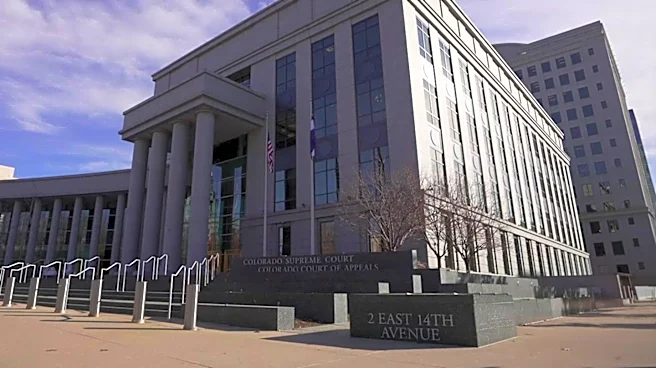








Joseph Glidden's name is inextricably linked with the history of barbed wire, not as its original inventor, but as the innovator whose improvements proved pivotal. In 1874, Glidden introduced modifications to the existing barbed wire design, changes he firmly believed were novel and significant enough to merit a new patent. This conviction led him into a protracted legal battle, culminating in the landmark Barbed Wire Patent Case of 1892. The Supreme
Court's decision in his favor not only validated his invention but also cemented his place in the narrative of American ingenuity, particularly as his design became instrumental in the settlement and development of the American West.
The Evolution of Barbed Wire
While Lucian Smith is credited with inventing barbed wire in 1867, holding the initial patent, it was Glidden's subsequent refinements that truly revolutionized its practical application. Glidden's 1874 improvements addressed key issues with earlier designs, likely making the wire more effective, durable, or easier to manufacture and deploy. These enhancements were not merely cosmetic; they represented a significant step forward in the functionality of barbed wire, transforming it from a nascent invention into a widely adopted and indispensable tool.
The Patent Office initially disagreed with Glidden's assessment of his own invention's novelty, denying his application for a new patent. This bureaucratic hurdle forced Glidden to appeal, demonstrating his unwavering belief in the distinctiveness and value of his work. His persistence ultimately paid off, as the Supreme Court recognized the merit of his improvements, acknowledging that an invention could be an enhancement of an existing product and still warrant patent protection.
A Supreme Court Victory for Innovation
The Supreme Court's ruling on February 29, 1892, in the case of 143 U.S. 275, was a resounding victory for Joseph Glidden. The Court declared that his invention was indeed an improvement and thus valid for patenting. This decision was crucial not only for Glidden personally but also for the broader landscape of American innovation. It established a legal precedent that encouraged inventors to build upon existing technologies, assuring them that their significant contributions, even if not entirely original, could receive legal protection.
Glidden's success in the Supreme Court underscored the importance of continuous improvement in technological development. His barbed wire design, validated by the highest court, went on to become the leading type of barbed wire used during the settlement of the West. Its effectiveness in containing livestock and defining property boundaries played a critical role in transforming vast open ranges into organized agricultural lands. The enduring nature of his design is evident in the fact that, since his innovation, there has been little fundamental change to barbed wire technology, a testament to the foresight and practicality of Glidden's improvements.