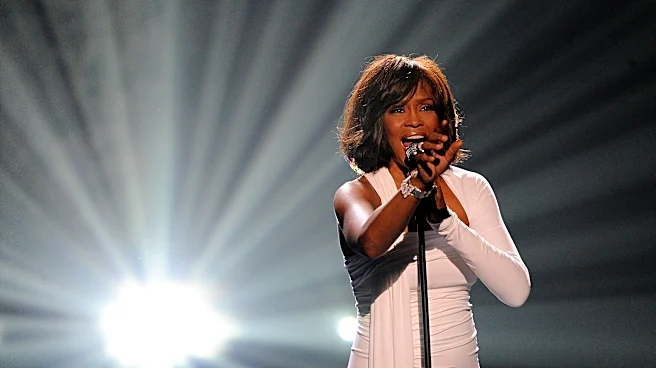






Released on November 17, 1992, "The Bodyguard: Original Soundtrack Album" by Whitney Houston transcended its role as a film accompaniment to become a global cultural and commercial phenomenon. This album, primarily featuring Whitney Houston's powerful vocals, not only broke sales records but also solidified her status as an unparalleled musical force. It became the best-selling soundtrack of all time and, for a period, the best-selling album by a female
artist globally, selling over 45 million copies worldwide. Its impact extended beyond sales, influencing music charts and earning significant industry accolades, cementing its place in music history.
Unprecedented Commercial Success
The commercial performance of "The Bodyguard" soundtrack was nothing short of extraordinary. It quickly ascended to become the best-selling soundtrack album ever, a title it still holds. The album's global sales surpassed 45 million copies, making it one of the best-selling albums of all time across all genres and artists. In the United States alone, it achieved Diamond certification, indicating shipments of over 10 million copies, eventually reaching over 19 million units. This immense success was driven by the album's lead single, "I Will Always Love You."
"I Will Always Love You," Houston's rendition of Dolly Parton's classic, became an unprecedented worldwide hit. It sold over 24 million copies globally, establishing itself as the best-selling single by a female artist of all time. The song's powerful vocal performance and emotional resonance captivated audiences across the globe, contributing significantly to the soundtrack's overall sales figures. The album's success was further bolstered by other singles like "I Have Nothing" and "Run to You," both of which received nominations for the Academy Award for Best Original Song, showcasing the album's critical acclaim alongside its commercial dominance.
Beyond Whitney: Contributions from Label Mates and Chart Success
While Whitney Houston recorded the majority of the tracks and is credited as the primary artist, "The Bodyguard" soundtrack also featured contributions from her Arista Records label mates and other notable artists. These included Lisa Stansfield, Kenny G, The S.O.U.L. S.Y.S.T.E.M., and Curtis Stigers, as well as Joe Cocker. Their inclusion added diversity to the album's sound, spanning pop, urban pop, and R&B genres. For instance, Kenny G contributed "Even if My Heart Would Break," a duet with Aaron Neville, while Lisa Stansfield offered "Someday (I'm Coming Back)."
Although not officially released as promotional singles for the soundtrack, some of these non-Houston tracks also found moderate chart success. Lisa Stansfield's "Someday (I'm Coming Back)" and The S.O.U.L. S.Y.S.T.E.M.'s "It's Going to Be a Lovely Day" both achieved notable chart positions. The album's broad appeal was also recognized with a Grammy Award for Album of the Year, further cementing its critical and popular success. Houston actively promoted the soundtrack with an extensive world tour that spanned seventeen months, from May 1993 to November 1994, further driving its global reach and enduring popularity.
Lasting Legacy and Influence
The legacy of "The Bodyguard" soundtrack extends far beyond its initial release. Its record-breaking sales and critical accolades established a new benchmark for soundtrack albums. The album's blend of pop, R&B, and urban pop, anchored by Houston's iconic voice, created a timeless collection of songs that continue to resonate with audiences. The success of "I Will Always Love You" in particular demonstrated the immense power of a well-executed cover song and its ability to transcend genres and generations.
The soundtrack's influence can also be seen in its impact on the careers of the contributing artists and its role in popular culture. It showcased Houston's versatility as both a singer and an executive producer, giving her significant creative control over the project. The album's enduring popularity is a testament to its quality and the powerful emotional connection it forged with millions of listeners worldwide, solidifying its status as a landmark achievement in music history.