


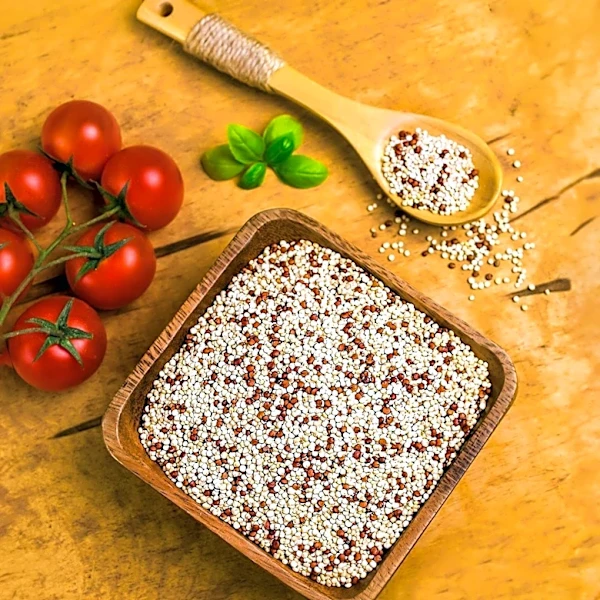

Quinoa, a pseudocereal from the Amaranthaceae family, stands out not only for its nutritional value but also for its extraordinary resilience and adaptability to a wide range of challenging environmental conditions. This plant, domesticated thousands of years ago in the Andean highlands, has evolved to thrive in diverse ecosystems, from high-altitude plateaus to coastal regions and even saline soils. Its ability to withstand extreme temperatures,
varying precipitation levels, and nutrient-poor environments makes it a unique and valuable crop, particularly in the face of changing global climates.
Altitude and Temperature Tolerance
Quinoa is renowned for its ability to grow at high elevations. While most cultivars are cultivated between 8,200 feet (2,500 meters) and 13,000 feet (4,000 meters) in the Andes near the equator, it can also be found in coastal regions. The plant's growth is highly variable, influenced by its numerous subspecies, varieties, and landraces, which are domesticated plants adapted to their specific local environments. Optimal growing conditions for many varieties involve cool climates, with night temperatures dropping to around 25°F (-4°C) and daytime temperatures reaching up to 95°F (35°C).
Some cultivars demonstrate an impressive tolerance for even lower temperatures without sustaining damage. Light frosts typically do not harm the plants at any stage of development, except during flowering. However, midsummer frosts during flowering, a common occurrence in the Andes, can lead to pollen sterilization. This wide temperature range and frost tolerance highlight quinoa's robust nature, allowing it to flourish in areas where many other crops would fail.
Salinity and Drought Resistance
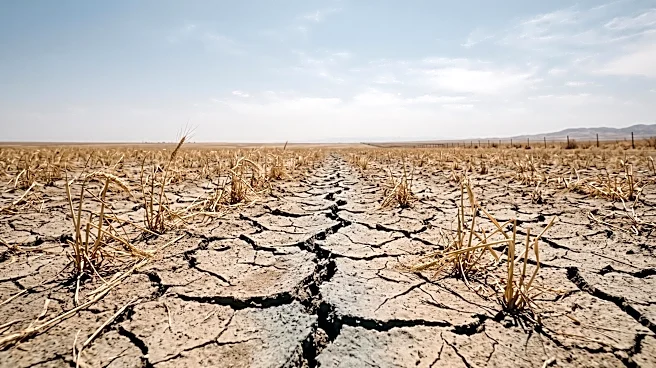
One of quinoa's most remarkable adaptations is its ability to tolerate saline soils and arid conditions. The "Royal Quinoa" (Quinoa Real), for instance, grown in the Intersalar region of Bolivia between the Uyuni and Coipasa salt flats, endures an extreme environment characterized by high altitude, high salinity, intense UV radiation, aridity, and significant temperature fluctuations. This particular ecotype demonstrates the plant's capacity to resist extreme conditions, including temperatures as low as -8°C, alkaline soils with a pH up to 8, and high salinity.
Studies have shown that quinoa's salinity resistance involves the accumulation of organic osmolytes, which play a dual role by providing osmotic adjustment and protecting photosynthetic structures from oxidative stress in developing leaves. Additionally, a reduction in stomatal density in response to salinity levels acts as an essential defense mechanism, optimizing water use efficiency under these harsh conditions. This makes quinoa a promising crop for marginal agricultural lands that are increasingly affected by salinization and drought.
Varied Rainfall Requirements and Soil Preferences
Quinoa's rainfall requirements are highly variable among its different cultivars, ranging from 12 to 39 inches (300 to 1,000 millimeters) during the growing season. Optimal growth is achieved with well-distributed rainfall during the early stages of growth, followed by dry conditions during seed maturation and harvesting. This preference for dry conditions during harvest helps prevent issues like premature seed germination on the plant.
In terms of soil, quinoa plants generally thrive in sandy, well-drained soils with low nutrient content, moderate salinity, and a soil pH between 6 and 8.5. A well-prepared and drained seedbed is crucial to prevent waterlogging, which can be detrimental to the plant. The plant's adaptability to nutrient-poor soils further underscores its potential for cultivation in areas where soil fertility is a limiting factor for other crops. This combination of environmental tolerances makes quinoa a highly versatile and resilient plant, capable of contributing to food security in diverse and challenging agricultural landscapes worldwide.