






Hook-and-loop fasteners, commonly known as Velcro, have become a staple in various industries due to their versatility and ease of use. Invented by Swiss engineer George de Mestral in the mid-20th century, these fasteners have undergone significant evolution from their initial conception to widespread application. This article delves into the historical development and technological advancements that have shaped hook-and-loop fasteners into the ubiquitous
product we know today.
The Birth of an Idea
The story of hook-and-loop fasteners begins in 1941 when George de Mestral, inspired by nature, conceived the idea after a hunting trip in the Alps. Observing how burdock burs clung to his clothes and his dog's fur, de Mestral examined them under a microscope and discovered their hook-like structures. This observation led him to envision a fastening system that could mimic this natural mechanism.
De Mestral faced initial skepticism from industry leaders when he presented his idea. However, he persisted and eventually found a weaver willing to produce cotton strips based on his designs. Despite the cotton's tendency to fray, de Mestral's determination led him to explore synthetic fibers, ultimately settling on nylon for its durability and resilience.
Technological Breakthroughs
The journey to mechanize the production of hook-and-loop fasteners was arduous, taking de Mestral ten years to perfect. He discovered that nylon, when treated with infrared light, could form the necessary hook shapes. The challenge was not only to create the hooks but also to develop a method for producing the looped side.
Through trial and error, de Mestral found that nylon thread, when woven into loops and heat-treated, retained its shape. The loops had to be precisely cut to ensure they could be fastened and unfastened repeatedly. This innovation marked a significant technological breakthrough, allowing for the mass production of hook-and-loop fasteners.
Expansion and Global Impact
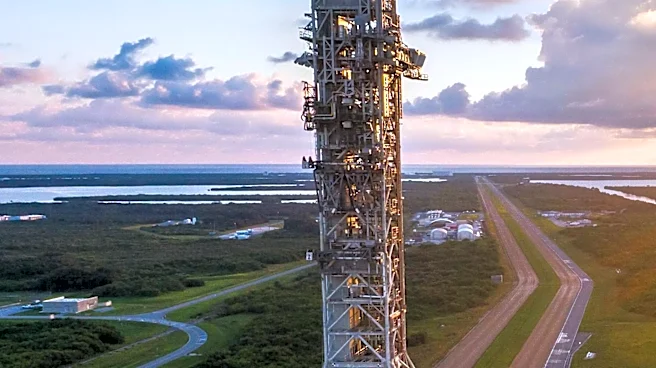
After securing patents in 1955, de Mestral expanded his operations internationally, opening shops across Europe and North America. The fasteners gained traction in the textile industry, particularly after their adoption by NASA for space missions. This association with advanced technology helped elevate the perception of hook-and-loop fasteners.
By the mid-1960s, these fasteners were integrated into military gear and fashion designs, showcasing their versatility. The expiration of de Mestral's patent in 1978 led to a surge of imitations, further solidifying the fasteners' presence in various markets. Today, hook-and-loop fasteners are used in countless applications, from clothing to industrial settings, demonstrating their enduring impact.