






Hurricane Audrey was a catastrophic event that struck southwestern Louisiana in 1957, leaving a trail of destruction and loss. As one of the strongest June hurricanes on record in the Atlantic basin, Audrey's impact was profound, particularly in Louisiana, where it caused significant damage and loss of life. This article delves into the devastating effects of Hurricane Audrey on Louisiana, highlighting the storm's impact on communities, infrastructure,
and the environment.
The Storm's Arrival and Immediate Impact
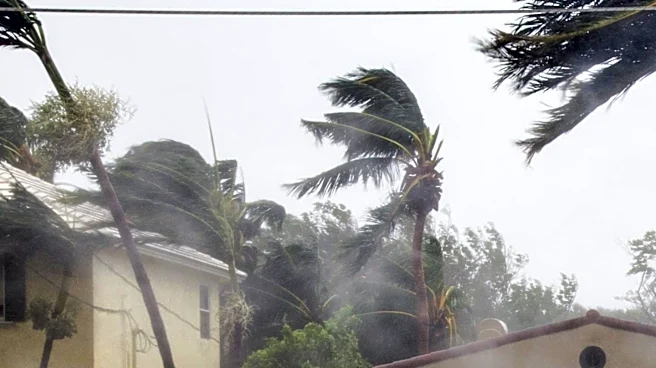
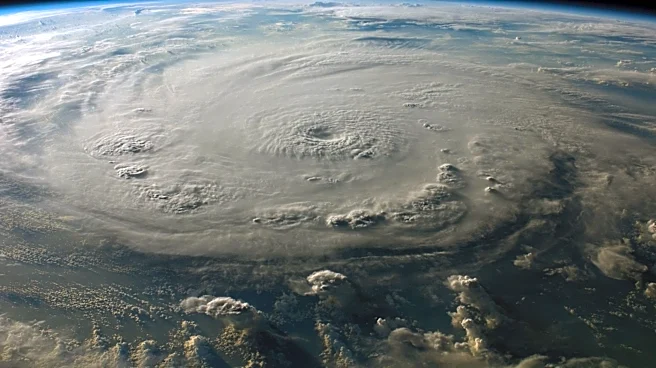
Hurricane Audrey made landfall in southwestern Louisiana on June 27, 1957, as a powerful Category 3 hurricane. With sustained winds of 125 mph, the storm brought with it a massive storm surge that inundated coastal areas. The surge reached heights of up to 12.4 feet, flooding vast stretches of land and causing widespread destruction. Communities along the coast were particularly hard hit, with many homes and buildings completely destroyed.
The storm's powerful winds and surge led to significant loss of life. In Cameron Parish, one of the hardest-hit areas, the majority of the 416 fatalities attributed to Audrey occurred. The storm's rapid intensification and unexpected acceleration caught many residents off guard, leading to incomplete evacuations and a high death toll. The devastation in Cameron was so severe that the town was nearly wiped off the map, with only a few structures left standing.
Environmental and Economic Consequences
Beyond the immediate human toll, Hurricane Audrey had lasting environmental and economic impacts on Louisiana. The storm surge and flooding caused extensive damage to the region's natural habitats, including marshes and wildlife refuges. Saltwater inundation led to the loss of vegetation and wildlife, with thousands of cattle and other animals perishing in the floodwaters.
Economically, the storm caused an estimated $120 million in damages in Louisiana alone. The agricultural sector was particularly hard hit, with rice, corn, and cotton crops suffering significant losses. The destruction of infrastructure, including roads and bridges, further compounded the economic challenges faced by the affected communities. Recovery efforts were slow and costly, with many areas taking years to rebuild.
Long-term Impacts and Legacy
The legacy of Hurricane Audrey is still felt in Louisiana today. The storm prompted changes in emergency preparedness and response strategies, highlighting the need for better communication and evacuation plans. The high death toll and extensive damage underscored the importance of timely and accurate weather forecasting, leading to improvements in hurricane tracking and warning systems.
In the years following Audrey, the memory of the storm served as a stark reminder of the power of nature and the vulnerability of coastal communities. The lessons learned from Audrey have informed disaster preparedness efforts in Louisiana and beyond, helping to mitigate the impact of future storms. Despite the passage of time, the impact of Hurricane Audrey remains a significant chapter in Louisiana's history.