



Jim Maloney, a formidable pitcher for the Cincinnati Reds and California Angels, carved out a notable career in Major League Baseball, particularly recognized for his powerful throwing arm in the 1960s. Among his many achievements, Maloney is credited with pitching two official no-hitters, alongside a third performance that, while initially recognized, was later reclassified due to a rule change. His career was marked by consistent performance, including
winning ten or more games for seven consecutive seasons and recording over 200 strikeouts in four of those years. Maloney's no-hit bids, especially those in 1965, highlight the evolving nature of baseball's record-keeping and the sheer determination required to achieve such a rare feat.
The Unofficial No-Hitter of 1965
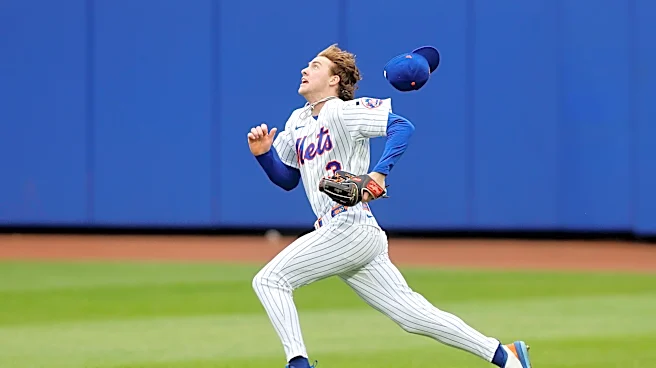
Maloney's 1965 season was exceptional, as he went on to win 20 games. During this year, he had two games where he completed nine innings without giving up a hit. The first of these memorable performances occurred on June 14 against the New York Mets. This Monday night game stretched into ten scoreless innings, with Maloney demonstrating incredible endurance and skill. He struck out an impressive 18 batters and issued only one walk, showcasing his dominance on the mound. However, the game took a turn in the top of the 11th inning when rookie right fielder Johnny Lewis led off with a home run to center field, breaking the no-hit bid and ultimately leading to Maloney's 1-0 loss. At the time, this game was officially recognized as a no-hitter.
The rules regarding no-hitters, however, were later changed. The updated regulations omitted games that were broken up in extra innings from the official record. This reclassification meant that Maloney's June 14 performance, despite his nine hitless innings, was no longer considered an official no-hitter. This particular game also saw Maloney give up a second hit in the 11th inning. Before this rule change, Maloney had three one-hitters to his credit, further underscoring his ability to consistently keep opponents off the bases. The reclassification highlights a fascinating aspect of baseball history, where past achievements are re-evaluated based on evolving standards.
Maloney's Official No-Hitters
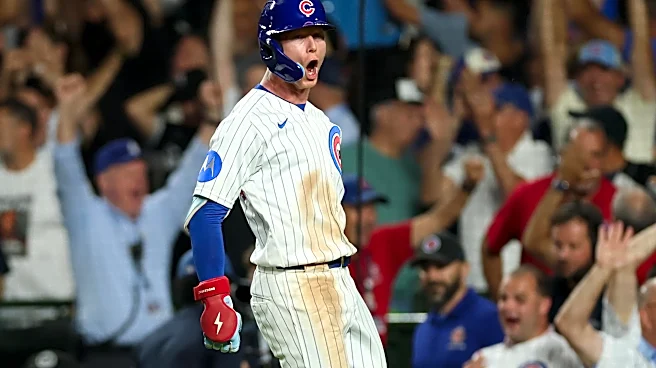
Despite the reclassification of his June 14, 1965 game, Jim Maloney still holds the distinction of pitching two official no-hitters. The first of these officially recognized no-hitters took place on August 19, 1965, against the Chicago Cubs. This game also extended into extra innings, going ten innings. In this instance, Maloney successfully preserved his no-hit bid, and a home run by Leo Cárdenas in the tenth inning secured a 1-0 victory for the Reds. This made Maloney the first pitcher since Fred Toney in 1917 to throw a complete game extra-inning no-hitter. This particular no-hitter is also notable for the number of baserunners Maloney allowed, which was 11, the most in any Reds no-hitter.
Maloney's second official no-hitter came on April 30, 1969, when he no-hit the Houston Astros with a dominant 10-0 victory at Crosley Field. This performance was part of a unique two-game series where both games were no-hitters, as Don Wilson of the Astros returned the favor the very next day, no-hitting the Reds 4-0. This demonstrates Maloney's continued prowess on the mound several years after his initial no-hit bids. His ability to pitch a no-hitter in 1969, following his 1965 success, solidified his place in baseball history as a pitcher capable of extraordinary feats. Maloney's career highlights include being an All-Star in 1965 and being inducted into the Cincinnati Reds Hall of Fame, further cementing his legacy.
The Evolving Definition of a No-Hitter
The story of Jim Maloney's no-hitters is intrinsically linked to the evolving definition of what constitutes an official no-hitter in Major League Baseball. The MLB's Committee for Statistical Accuracy defined an official no-hit game as one where a pitcher or pitchers allow no hits during the entire course of a game, consisting of at least nine innings. This 1991 definition led to the removal of previously recognized no-hitters from the official record books if they were fewer than nine innings or if the first hit was allowed in extra innings.
This rule change directly impacted Maloney's June 14, 1965, game. While he pitched nine hitless innings, the fact that the no-hitter was broken up in the 11th inning meant it no longer met the revised criteria. This illustrates how statistical records in baseball are not always static and can be subject to reinterpretation over time. Despite this, Maloney's August 19, 1965, no-hitter, which also went into extra innings, remained official because he completed the game without allowing a hit and secured the win. The distinction between these two games, both involving extra innings and no-hit bids, underscores the specific nuances of the MLB's official definition and the historical context in which these incredible pitching performances are evaluated. Maloney's career, with its blend of recognized and reclassified no-hitters, serves as a compelling example of a pitcher whose talent transcended the changing statistical landscape of the sport.