






Camshafts play a pivotal role in the operation of internal combustion engines, converting rotational motion into the reciprocating motion necessary to operate the engine's valves. This article provides an in-depth look at how camshafts function within engines, highlighting their construction and the mechanics behind their operation.
The Role of Camshafts
In piston engines, camshafts are responsible for operating the intake and exhaust valves. The camshaft consists of a cylindrical
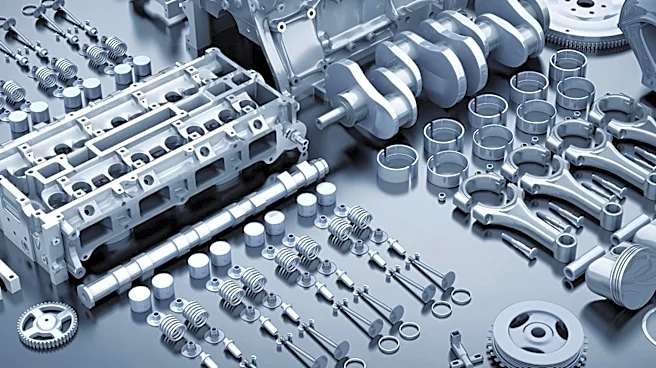
rod running the length of the cylinder bank, with a series of cams along its length. Each cam is designed to open and close a specific valve, ensuring the engine's cylinders receive the correct air-fuel mixture and expel exhaust gases efficiently.
As the camshaft rotates, the cam lobes press against the valves or an intermediate mechanism, pushing them open. Once the cam rotates past the highest point of its lobe, a valve spring pushes the valve closed. This precise timing is crucial for the engine's performance, as it ensures the valves open and close at the correct intervals relative to the piston's position.
Construction and Materials
Camshafts are typically made from metal and are usually solid, although hollow camshafts are sometimes used to reduce weight. The materials used for camshafts are chosen for their durability and ability to withstand the high stresses and temperatures encountered in engine operation.
The design of the camshaft, including the shape and size of the cam lobes, is critical to the engine's performance. The camshaft's lift, which determines how far the valve opens, and its duration, which determines how long the valve remains open, are key factors in optimizing engine power and efficiency.
Timing and Drive Systems
The timing of the camshaft is crucial for engine operation. In a four-stroke engine, the camshaft rotates at half the speed of the crankshaft, ensuring the valves open and close at the correct times. This synchronization is typically achieved using a timing belt, chain, or gears.
Modern engines often employ variable camshaft timing (VCT) systems, which allow for adjustments to the camshaft's timing based on engine speed and load. This technology enhances engine performance and efficiency by optimizing valve operation for different driving conditions.
Understanding the functionality of camshafts is essential for appreciating their role in engine performance. As technology continues to advance, camshafts remain a critical component in the quest for more efficient and powerful engines.