




Mykonos, a prominent Greek island within the Cyclades archipelago, is more than just a popular tourist destination; it is a place defined by its unique geography, a distinct administrative structure, and a cultural identity shaped by both natural forces and historical developments. Located strategically in the Aegean Sea, surrounded by islands like Tinos, Syros, Paros, and Naxos, Mykonos presents a fascinating case study of an island that balances
its natural attributes with its role as a modern regional unit.
Geographical Profile and Natural Features
Mykonos spans an area of 85.5 square kilometers (33.0 sq mi) and reaches an elevation of 341 meters (1,119 feet) at its highest point. Its landscape is characterized by the strong winds that frequently sweep across the island, earning it the nickname "The Island of the Winds." These winds are a defining natural feature, influencing everything from its climate to the traditional architecture, such as the iconic windmills that dot its hillsides.At the 2021 census, the island had a population of 10,704 inhabitants. The majority of these residents live in the largest town, also named Mykonos, which is situated on the west coast. This principal town is commonly referred to as Chora, a practice typical in Greece when an island shares its name with its main settlement. The municipality of Mykonos extends beyond the main island, encompassing the historically significant island of Delos, Rineia, and several uninhabited islets, bringing the total area of the municipality to 105.183 square kilometers (40.611 sq mi).
Administrative Structure and Regional Significance
The governance of Mykonos is organized as a separate regional unit within the South Aegean region, and it functions as the sole municipality within this regional unit. This administrative arrangement was established as part of the 2011 Kallikratis government reform, which created the regional unit of Mykonos from a portion of the former Cyclades Prefecture. The municipality itself remained unchanged by this reform, continuing to include its associated islands and islets.This administrative structure highlights Mykonos's importance not just as an individual island but as a key component of the broader South Aegean region. Its role as a regional unit underscores its administrative autonomy and its capacity to manage its own affairs, from local services to the significant tourism industry that drives its economy. The island's mayors have played a crucial role in guiding its development and maintaining its unique character within this framework.
Enduring Identity and Cultural Markers
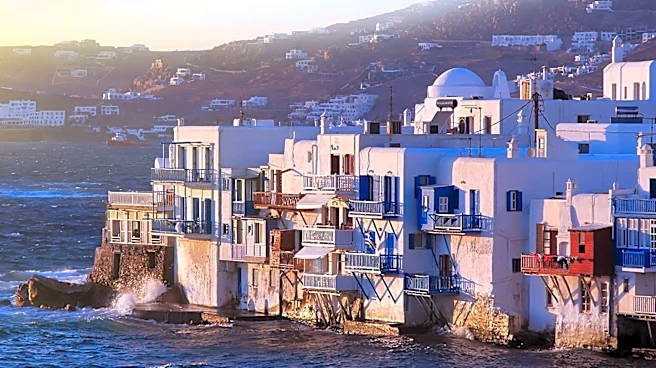
Mykonos's identity is deeply intertwined with its natural environment and its historical narrative. The strong winds, while a geographical feature, have also become a symbol, influencing its nickname and perhaps even the resilient spirit of its inhabitants. The traditional Cycladic architecture, characterized by white-washed buildings and narrow streets, is not just aesthetically pleasing but also a practical response to the island's climate and historical context.Beyond its physical attributes, Mykonos is known for its vibrant nightlife and beautiful beaches with yellow sand, which have become central to its modern identity as a premier tourist destination. This blend of natural beauty, historical depth, and contemporary appeal ensures that Mykonos remains a distinctive and enduring presence in the Aegean Sea.