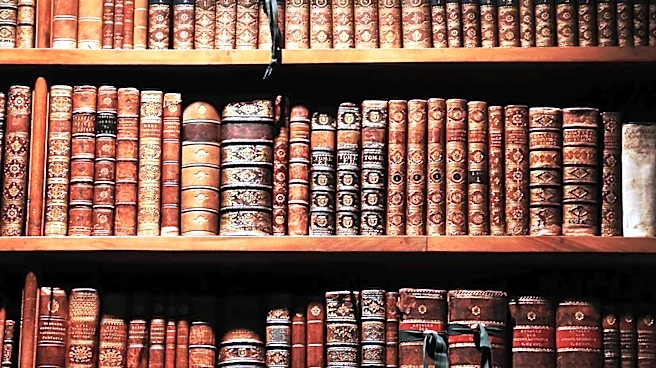










Special collections are an integral part of many libraries and institutions, providing access to rare and unique materials that support research and education. These collections require specialized management to ensure their preservation and accessibility. This article delves into the function of special collections and the strategies employed to manage them effectively.
The Function of Special Collections
The primary function of special collections is to support research by providing
access to rare and unique materials. These collections are often housed within research libraries, universities, and other institutions dedicated to education and scholarship. By offering access to these materials, special collections enable researchers to explore topics in greater depth and gain insights that would not be possible with more common resources.
Special collections also play a vital role in education. By preserving materials with significant historical, cultural, or scientific value, these collections provide students and educators with the resources needed to study and understand the past. This educational function is enhanced by the expertise of staff members who often have advanced degrees or specialized training related to the collections they manage.
Managing Special Collections
Managing special collections involves a range of strategies to ensure the preservation and accessibility of materials. Items in special collections are typically stored in closed stacks, which are not directly accessible to the public. This approach helps protect the materials from damage and unauthorized access. Access to these collections is usually supervised, and researchers may be required to present identification or credentials to gain entry.
Environmental conditions such as temperature, humidity, and lighting are carefully controlled to prevent deterioration of the materials. Many institutions also use offsite storage facilities to provide additional security and flexibility in managing their collections. These facilities are designed to maintain optimal conditions for preservation, ensuring the longevity of the materials.
The Role of Technology in Special Collections
Technology plays an increasingly important role in the management of special collections. Digital records are becoming a significant part of these collections, offering new opportunities for access and preservation. By digitizing materials, institutions can make them more widely available to researchers and the public, while also reducing the risk of damage to the original items.
However, managing digital records presents its own set of challenges. Institutions must invest in the necessary infrastructure and expertise to ensure that digital materials remain accessible over time. Despite these challenges, the integration of technology into special collections management is essential for meeting the evolving needs of researchers and educators.